

Landscaping services in Mississauga are the coordinated design, installation, and upkeep of softscapes and hardscapes that improve curb appeal and daily use. HR Greenroots Landscaping serves Mississauga and the GTA with design-build work—sod, interlocking pavers, decks, fencing, retaining walls, stone features, sheds, and more—planned for Ontario’s seasons.
By HR Greenroots Landscaping • Last updated: 2026-04-22
Above the fold: Hook and table of contents
This complete guide shows Mississauga homeowners and property managers how professional landscaping aligns design, construction, and maintenance for lasting curb appeal. You’ll learn how design-build works, which services fit your goals, and what practices endure Ontario’s freeze–thaw cycles.
You want a tidy, usable yard that stays that way. Here’s how we deliver it in Mississauga and across the GTA—step by step, with practical examples you can use right away.
- Quick Summary
- What landscaping means locally
- Why curb appeal and drainage matter
- How design–build works in the field
- Service types and best-fit scenarios
- Best practices for durability
- Tools, materials, and resources
- Case studies around Mississauga
- FAQ and action steps
Quick Summary
A resilient Mississauga landscape combines smart grading, durable materials, and seasonal maintenance. Start with goals, correct drainage, build solid bases, and finish with clean edges and appropriate plants. The result: safer walkways, greener lawns, and outdoor areas that work year‑round.
We focus on design-build alignment so the plan, materials, and installation support each other. In our experience, alignment reduces change orders, cuts downtime, and sets you up for easier upkeep. Think of it as building the yard’s “operating system” before you add features.
Local considerations for Mississauga
- Plan for freeze–thaw: flexible surfaces (interlocking pavers) and 2–5% grading help shed water and reduce heaving.
- Seasonal windows: spring and early fall favor sod rooting; summer is workable with disciplined watering during the first 14 days.
- Wind and privacy: orient decks and fences to block prevailing winds while preserving sun for plant health and snow melt.
What is landscaping in Mississauga?
Landscaping in Mississauga is end-to-end planning and construction of lawns, planting, and hardscapes to manage water, movement, and four-season use. It blends grading, base preparation, material selection, and plant layers to elevate curb appeal and reduce long-term maintenance.
Definitions matter. Softscapes cover living elements—sod, shrubs, perennials, and trees. Hardscapes include interlocking pavers, decks, fences, retaining walls, steps, and stone work. When these systems are coordinated, your yard functions better in rain, heat, and winter.
Technical baseline: paver bases commonly use 6–12 inches of compacted granular aggregate, adjusted for soil and load. New sod does best with 4–6 inches of screened topsoil, daily moisture for 7–10 days, and no heavy traffic until roots knit—usually within two weeks.
Why landscaping matters in Mississauga
Quality landscaping improves safety, drainage, and property value. Grading at 2% or more moves water away from structures, while edge restraints, joint stabilization, and clean borders keep surfaces stable and walkways safer through shoulder seasons.
Here’s the thing: looks fade when function fails. Paths that ice up, lawns that puddle, and beds that erode create constant rework. We prioritize water management and circulation, then layer in planting and finishes for year-round structure and color.
Practical metrics: residential walkways often experience thousands of steps per month, so slip resistance and clear edging reduce trips. Downspouts should discharge well away from bases to prevent washouts and frost jacking in winter.
How the design–build process works
A professional design–build process aligns goals, site data, and sequencing. Expect discovery, site assessment, concept and scope, scheduling, base preparation, installation, finishing, and a maintenance handoff with clear care instructions.
We’ve found that when homeowners see the sequence, they understand timing and trade-offs. The process is not just a checklist—it’s how you avoid settling, drainage issues, and mismatched materials.
Field-tested workflow
- Discovery and goals: clarify your priorities—curb appeal, privacy, storage, play space, low upkeep.
- Site assessment: document grades, soil composition, sun/wind, drainage paths, utilities, and access points.
- Concept and scope: align circulation, planting layers, and materials with your timeline and maintenance appetite.
- Pre-construction: utility locates, material orders, and staging. Weather windows are baked into the schedule.
- Base and builds: excavation, compaction to 95%+ Proctor density, edge restraints, and construction of pavers, decks, fences, and walls.
- Finishing: polymeric sand activation, topsoil and sod placement, mulch, edge cleanups, and soft wash if needed.
- Maintenance handoff: watering schedules, sanding cadence, and seasonal checks so the space stays tidy.
Scheduling note: in Mississauga, spring through fall offers workable windows. Summer installs are perfectly viable with watering discipline; fall favors root growth for sod and shrubs.
Service types and best‑fit scenarios
Choose services that directly solve your site constraints. Sod refreshes tired lawns quickly. Interlocking builds durable, re-levelable surfaces. Retaining walls tame slopes. Decks and fences add living space and privacy. Sheds organize storage. Design ties everything together.
HR Greenroots Landscaping provides integrated delivery across Mississauga and the GTA, which means you don’t juggle multiple contractors. Below are common scenarios and how we approach them.
Sod installation
- Best for: lawn replacement, grade tune-ups, and instant curb appeal after construction.
- Technical keys: 4–6 inches of screened topsoil, tight seams, roller pass, and daily moisture for 7–10 days.
- Edge quality: clean interfaces along walkways and driveways reduce trim time by minutes per mow.
Interlocking pavers
- Best for: patios, walkways, driveways, and pool surrounds that handle winter and can be re-leveled.
- Technical keys: 6–12 inches of compacted base, edge restraints spiked every 8–12 inches, and polymeric sand.
- Maintenance: periodic top-ups of joint sand keep weeds out and surfaces tight.
For additional planning tips, see these practical hardscaping considerations for sequencing and access during construction.
Deck services
- Best for: extending living room function outdoors with zones for dining, grilling, and lounging.
- Technical keys: footings sized to loads, corrosion‑resistant fasteners, and ventilation gaps for longevity.
- Integration: deck-to-patio transitions should land at safe riser heights and slip‑resistant surfaces.
Fence installation
- Best for: privacy, security, wind buffering, and pet containment without closing off sun and views.
- Technical keys: post depth below frost line, concrete collars where soils move, and plumb rails for long-term alignment.
- Note: confirm local rules on height and corner visibility triangles before building.
Retaining walls
- Best for: holding soil on slopes, carving terraces, and creating steps or seating ledges.
- Technical keys: drainage stone and fabric behind the wall, weep paths, and compacted base at or below frost depth.
- Style options: segmental block systems or armour stone depending on desired look and loads.
Garden sheds
- Best for: clearing garage clutter and protecting tools, bikes, and seasonal gear.
- Technical keys: stable pad (pavers or concrete), level door thresholds, and a simple path to reduce tracking dirt inside.
- Integration: lighting and a short walkway make quick trips easier after dark.
Driveway extensions
- Best for: adding parking capacity while keeping a green balance up front.
- Technical keys: match base depths to the main drive; align edge restraints and paver patterns for a seamless look.
- Circulation: maintain safe sightlines at property edges and clear snow routes in winter.
Landscape design
- Best for: coordinating movement, materials, and planting layers across zones.
- Deliverables: plan views, materials palette, and a phasing path when projects are staged over seasons.
- Outcome: fewer change orders, cleaner edges, and plantings that look intentional year‑round.
Stone work
- Best for: steps, borders, feature boulders, and accents that anchor sightlines.
- Technical keys: stable bedding, step riser consistency (ideally 6–7.5 inches), and non-slip textures.
- Detailing: tight joints and consistent reveals create that “finished” look from day one.
Best practices for durable GTA landscapes
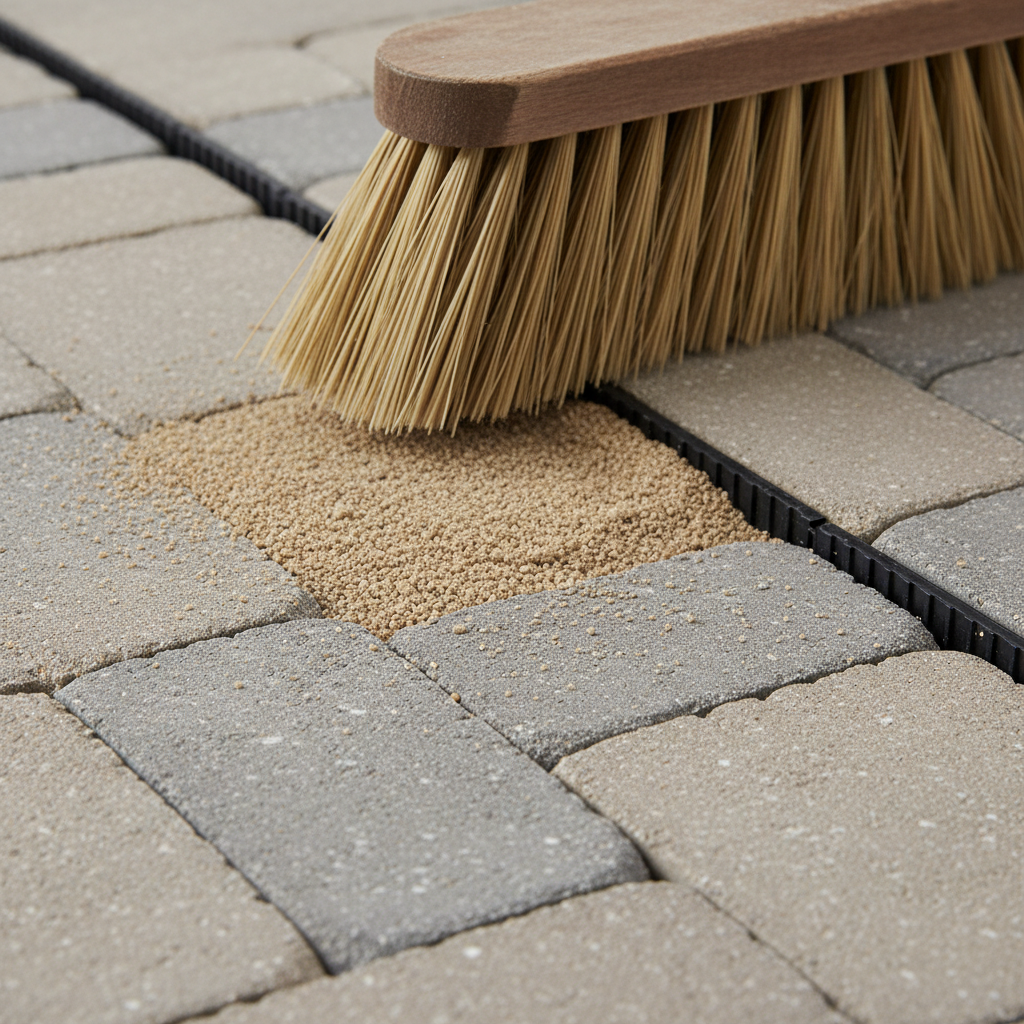
Durability starts with subgrade prep, correct base depth, drainage, and edge control. Paired with polymeric jointing, appropriate plants, and clean borders, these standards keep surfaces flat, lawns greener, and beds low‑maintenance through Ontario winters.
Our crews emphasize base quality because it drives everything else. The base is a system—subgrade, separation fabric if needed, granular layers, and compaction. Miss one step and you invite settlement, weeds, and heaving.
- Compaction targets: 95%+ Proctor density on base layers minimizes post‑thaw settlement.
- Edge restraints: spike every 8–12 inches along curves and straights to stop paver creep.
- Drainage slopes: maintain 2%+ on hardscape surfaces; route downspouts away from bases.
- Joint stabilization: polymeric sand reduces washouts and deters ant tunneling.
- Planting layers: combine conifers, hardy shrubs, and perennials for structure across seasons.
- Mulching: 2–3 inches suppresses weeds and moderates soil moisture and temperature.
Looking ahead, we plan maintenance touchpoints: a spring bed cleanup and mulch refresh, mid‑summer edging, and a late‑fall leaf pass. These brief routines keep spaces camera‑ready and reduce the risk of winter damage.
Tools, materials, and resources
Use well-graded aggregates, geotextile over weak soils, polymeric joint sands, and corrosion‑resistant fasteners. Pair materials with trusted planning resources and local guidelines so your build moves smoothly from excavation to finish.
Material choices are leverage points. The right aggregate or fastener costs little compared to the time you’ll save by avoiding rework. Where soils are clay‑rich, separation fabric protects your base from contamination and rutting.
- Aggregates: Granular A for base; HPB or 3/4" clear as bedding where appropriate.
- Geotextile: isolate organic or clay subgrade to improve base performance.
- Polymeric sands: harden joints, resist washouts, and hinder weeds.
- Fasteners/anchors: hot‑dip galvanized or stainless for ground‑contact locations.
- Planning reads: Ontario‑focused notes on interlocking in Ontario help set expectations for seasonal behavior.
- Patio/walkway prep: review practical patio and walkway advice for access and staging during construction.
Tip: organize deliveries so the heaviest materials arrive close to install day. Fewer stockpiles mean fewer lawn ruts and faster cleanup.
Case studies: Mississauga and GTA examples
These mini case studies show how coordinated services solve everyday constraints—grade correction, storage integration, privacy, and safer circulation—delivered with clean edges and maintenance‑minded planning.
Front yard tune‑up for daily efficiency
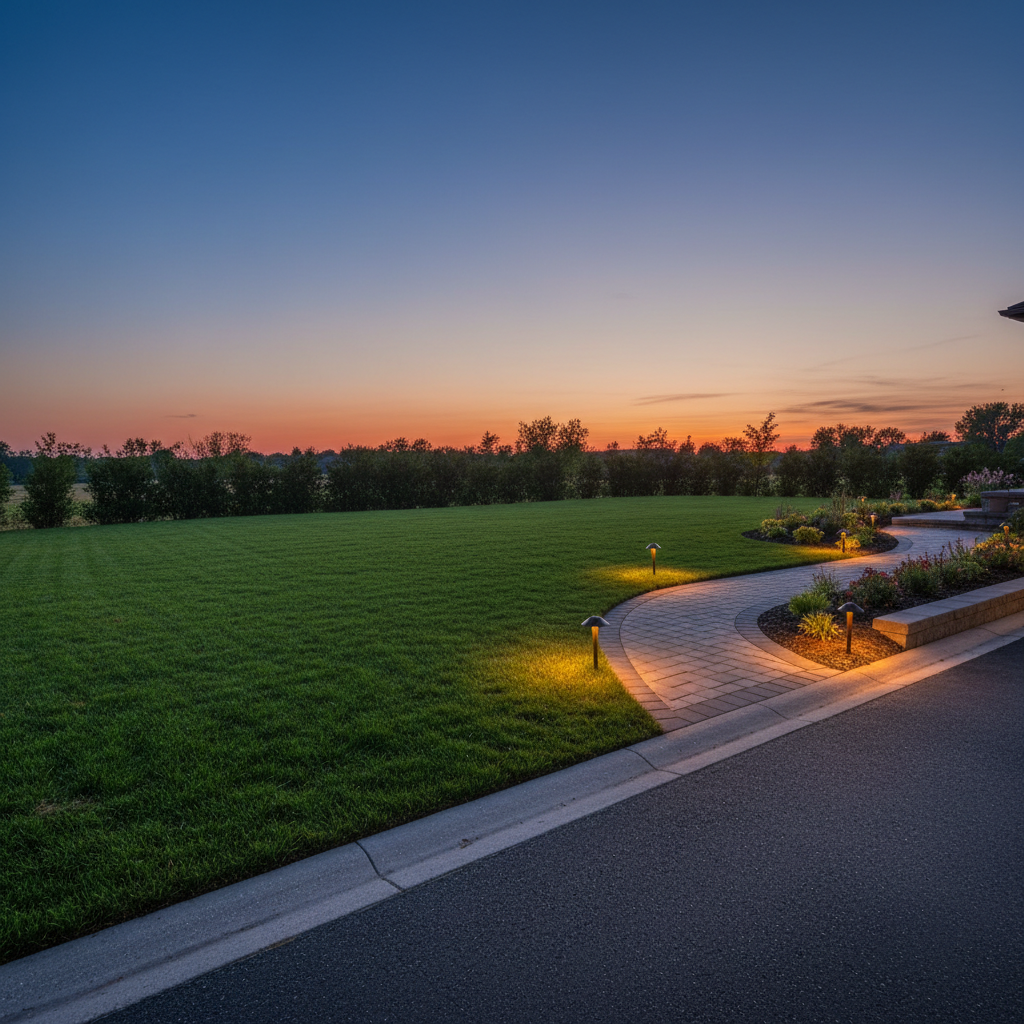
A homeowner with a patchy lawn and narrow entry path wanted quick curb appeal and safer footing. We re‑graded for a steady 2% fall, installed premium sod over 5 inches of screened topsoil, added a curved interlocking walkway, and edged beds with stone. Result: a greener entry, faster snow clearing, and fewer puddles.
Backyard living zone that actually gets used
A family needed distinct spaces for dining and lounging without feeling boxed in. We tied a new deck to an interlocking patio using uniform risers and slip‑resistant textures. Layered shrubs and perennials created privacy with year‑round structure—no fortress effect, just comfort. The game‑changer: routes for kids that don’t cross the grill zone.
Side‑yard storage that declutters weekends
Tools and bikes piled up in the garage slowed every chore. A compact shed on a paver pad with a short, well‑lit walkway turned 10‑minute searches into 30‑second trips. The pad’s stable base and level threshold keep doors gliding even after winter.
Grade challenge turned into play space
A sloped yard washed muddy water toward the patio after every storm. We carved a small terrace using a segmental retaining wall with drainage stone and fabric, then added armour stone steps. With runoff redirected, the lawn stays usable and the patio remains clean after thaws.
Frequently Asked Questions
Mississauga homeowners most often ask about timing, winter durability, and simple maintenance. With proper base prep and seasonal care, sod and interlocking surfaces establish well and stay tidy through cold snaps.
When is the best time to install sod?
Spring and early fall are ideal because cooler temperatures and steady moisture support quick rooting. Summer installs succeed with disciplined watering for the first 10–14 days. Avoid heavy foot traffic until the sod resists a gentle tug.
How do interlocking pavers handle winter in the GTA?
With the right base depth, edge restraints, and polymeric sand, pavers flex slightly through freeze–thaw and can be re‑leveled if needed. Use de‑icers approved for concrete and avoid aggressive metal shovels to protect the surface.
Do I need a permit for a fence or deck?
Requirements depend on height and design. Many municipalities publish clear fence and deck guidelines. Check local rules before building to prevent delays and rework, and confirm utility locates before digging.
What simple maintenance keeps a new landscape sharp?
Plan seasonal touchpoints: spring bed cleanup and mulch refresh, mid‑summer edging, late‑fall leaf removal, and periodic polymeric sanding for high‑traffic pavers. Keep downspouts directed away from bases year‑round.
Conclusion and next steps
A resilient Mississauga landscape blends thoughtful design, tight construction, and practical maintenance. Start with goals, correct drainage, and choose services that solve constraints. Sequence the build for durability through Ontario seasons and a tidy look all year.
Ready to organize your yard around how you actually live? We plan for function first—circulation, storage, privacy—then finish with clean edges and plants built for Ontario weather. That’s how spaces look intentional on day one and stay easy to care for later.
Key takeaways
- Design–build alignment prevents rework and compresses timelines.
- Base prep, grading, drainage, and edge control drive longevity.
- Choose services that directly address slope, privacy, storage, and circulation.
- Short, seasonal maintenance beats major overhauls every time.
Let’s plan your space: Book a friendly on‑site assessment in Mississauga. We’ll walk the yard, confirm goals, and outline a right‑sized scope for your timeline.


