Questions to ask before choosing interlocking for pool surrounds
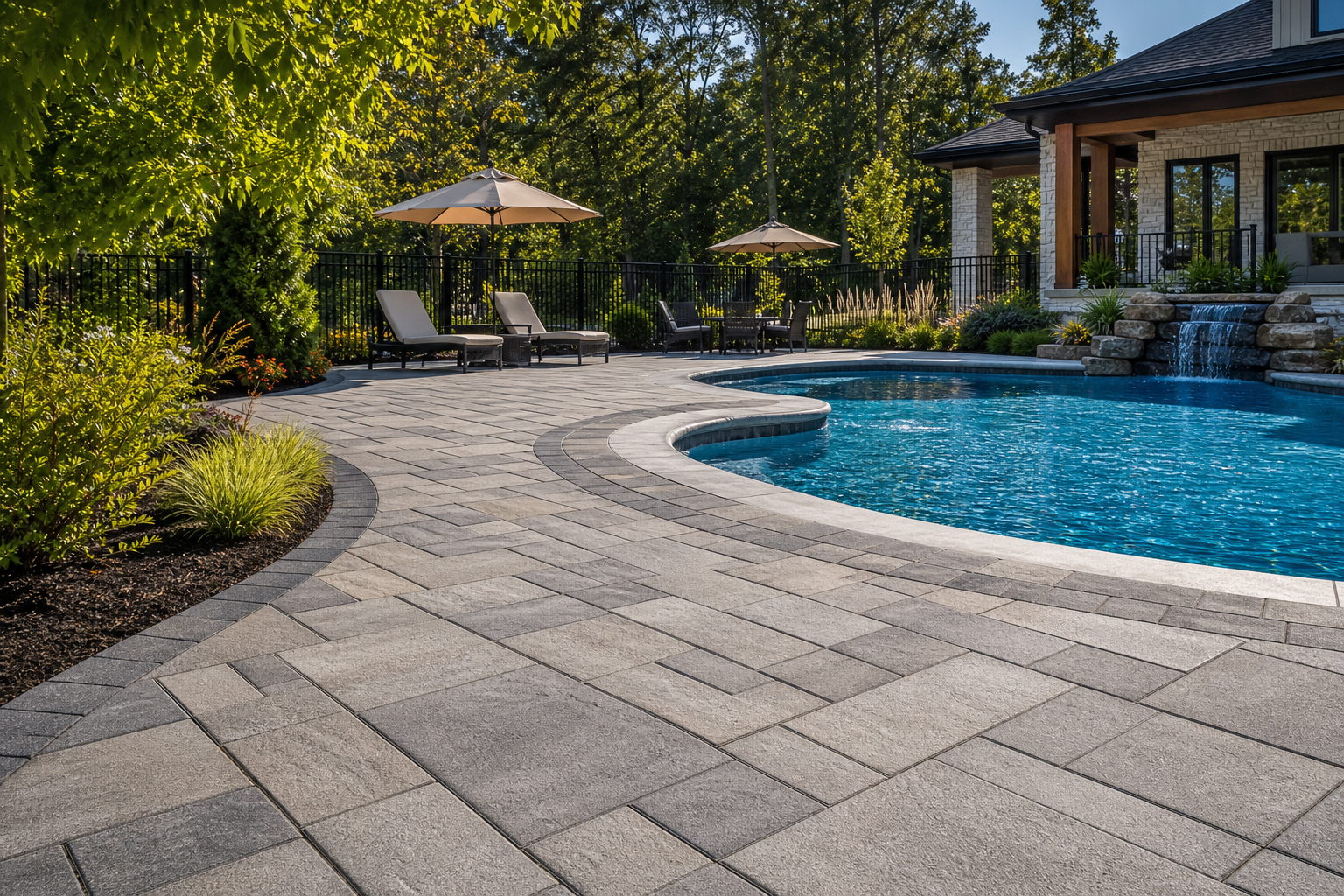
Choosing interlocking for pool surrounds can deliver a durable, attractive finish when the design, materials, and installation are right. The risk is that small shortcuts in material selection, base preparation, drainage, or coping integration create ongoing maintenance headaches and safety hazards. This article lists the specific questions to ask contractors, the red flags that predict trouble, and a compact on-site checklist you can use during consultations in Mississauga and the Greater Toronto Area.
What to ask about materials and pool coping
Material choice affects barefoot comfort, slip resistance, staining from pool chemistry, and long-term maintenance. Ask the contractor to name exact products and to provide manufacturer technical data sheets for each item in the immediate pool edge and the surrounding field. If they cannot provide data sheets, treat that as a red flag.
Material tradeoffs and when each is appropriate
- Natural stone offers texture and warmth but often needs sealing and can vary in slip behavior.
- Porcelain pavers resist staining and moisture absorption but can be hotter in sun unless you choose textured finishes.
- Concrete interlocking pavers are cost effective and versatile, but performance depends on mix, finish, and jointing details.
Compare these options with manufacturer guidance. For coping specifically, verify whether the product is designed to sit over the pool edge or to form an integrated bullnose. The Solidshape selection guide recommends asking whether a coping product needs sealing, how often to reseal, which cleaners are safe, and whether pressure washing is recommended when evaluating pool coping materials Pool Coping Selection Guide.
Sealing, cleaning, and pool chemistry
Ask whether the pavers and coping require sealing, what sealers the manufacturer approves, and the suggested reseal frequency. Request written guidance about cleaners and substances to avoid. A contractor who cannot answer how a finish will hold up to common pool chemicals or who has no reseal schedule on the quote is not prepared for pool-specific work.
Barefoot comfort and slip rating
Request the paver or coping anti-slip rating and ask to see a sample installed on a temporary base. If the contractor is unwilling to install a sample patch, mark that as a red flag. For a wider discussion of paver pros and cons around pools, including comfort and performance tradeoffs, see the JDesigns analysis of pool deck pavers Pool Deck Pavers pros and cons.
Why base preparation and drainage are the most common failure points
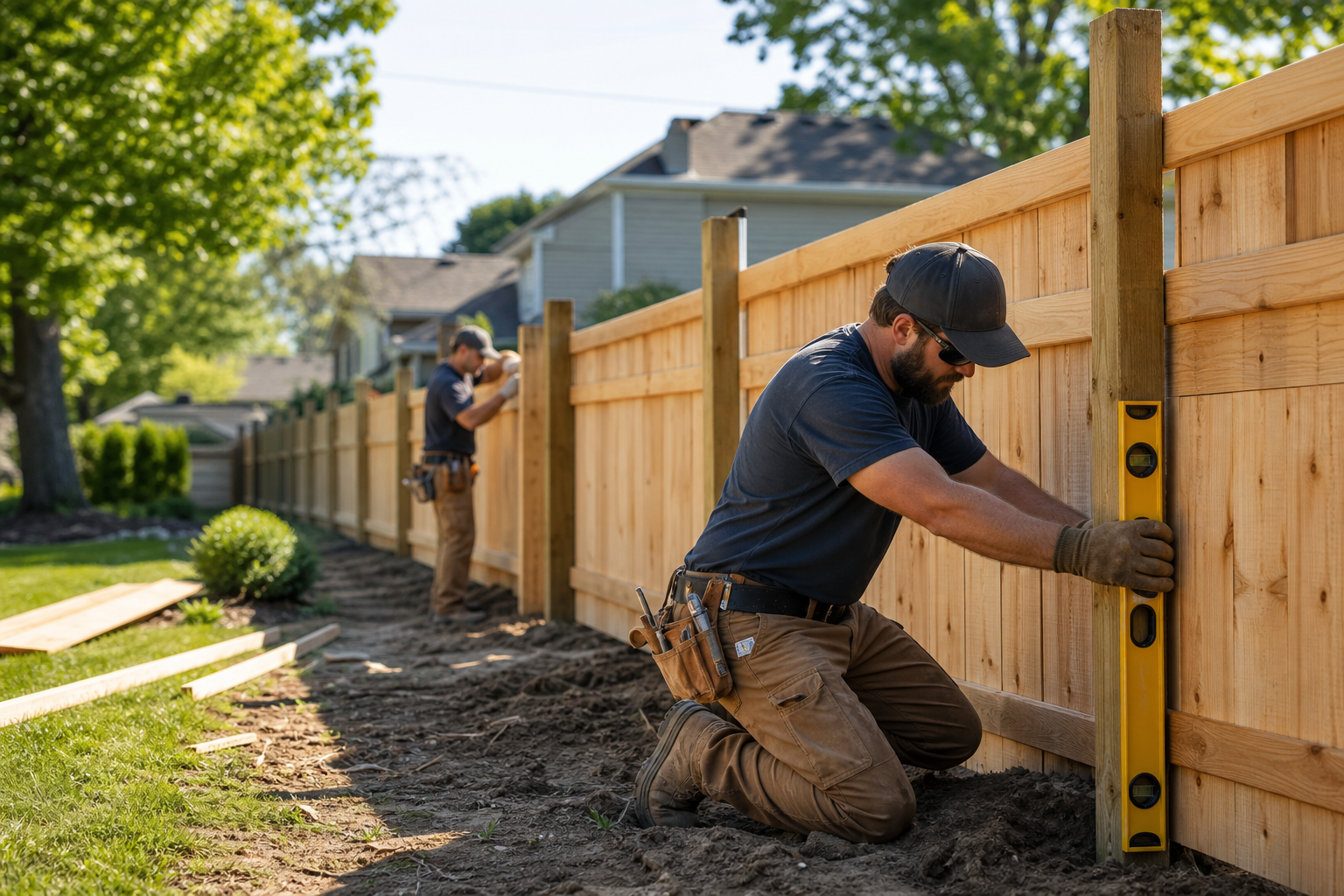
Base preparation, edge restraints, and drainage determine whether interlocking for pool surrounds lasts. A visually perfect surface means little if the layers below are underprepared. Ask for a written base specification and a drainage plan before you sign.
Correct base layers and compaction checks
- Request the exact base-depth measurement, the granular material type, and the compaction method to be used.
- Ask whether they perform compaction tests or provide compaction machine receipts and whether they will document site conditions during installation.
- Red flag: a quote that simply states "standard base" with no material or depth details.
HR Greenroots emphasizes strong base preparation, grading, and clean edge control as part of its approach to durable hardscapes on its service pages, so good contractors will include those specifics in the scope HR Greenroots Landscaping. For a technical primer on base prep steps you should expect to see spelled out, review the company article on interlocking paver base preparation Paver base preparation.
Slope, drainage, and freeze-thaw considerations
Drainage must redirect water away from the pool, not toward it. Ask for the planned slope or the location of surface drains. Because Ontario experiences freeze-thaw cycles, confirm the contractor accounts for seasonal movement in their drainage and jointing strategy. Red flag: no written drainage plan, or a plan that relies solely on surface grading with no subsurface drainage where groundwater is present.
Safety, slip resistance, and coping integration to verify on site
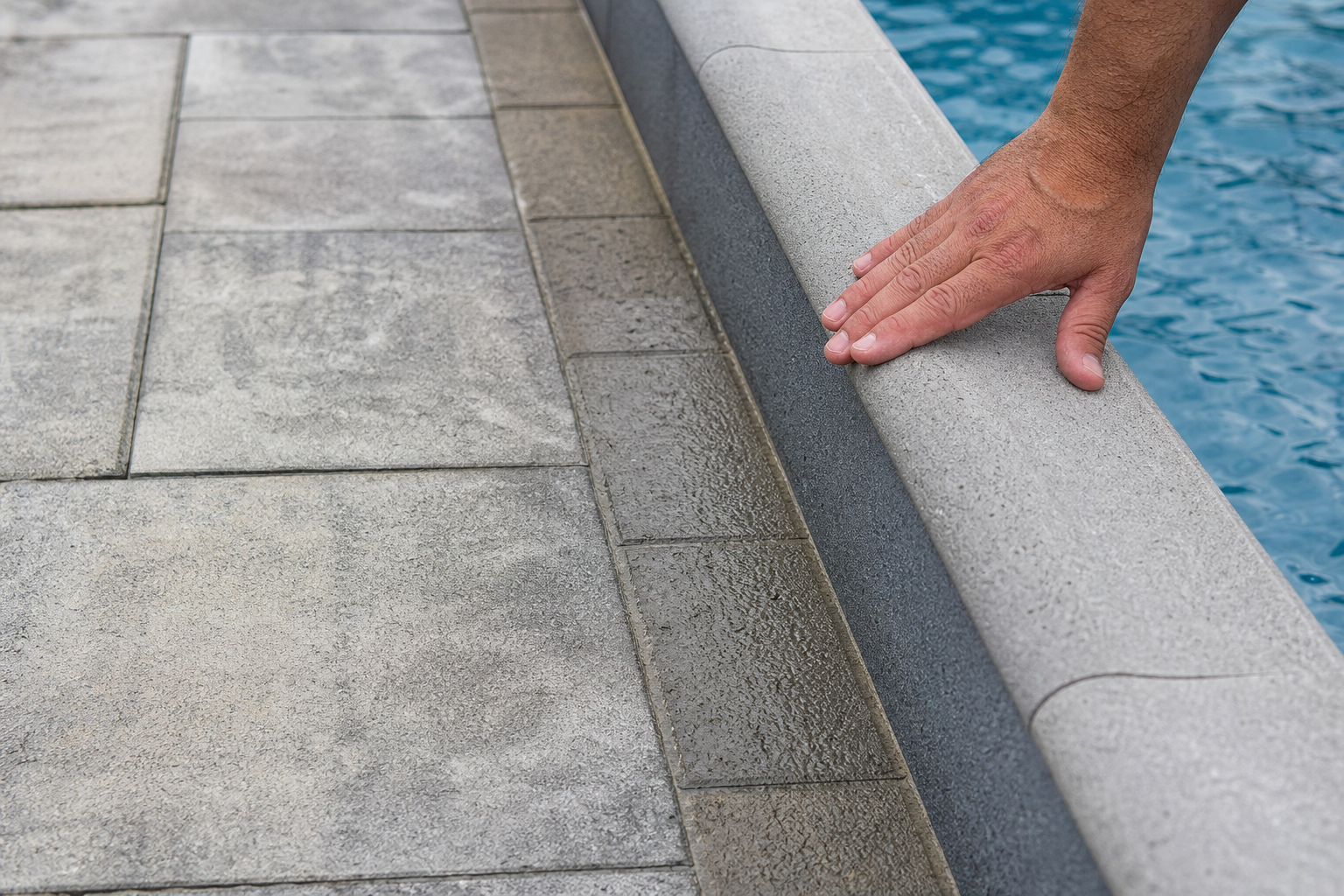
Safety is non-negotiable for pool surrounds. Verify slip resistance, joint behavior under wet conditions, and that coping integration avoids trip hazards.
Slip testing and sample patches
Ask to see certified slip resistance data or a sample patch you can walk on while wet. A contractor who provides manufacturer test data or installs a wet sample demonstrates confidence in the material. If they cannot supply anti-slip data, that is a red flag.
Coping-to-paver joint details
Coping must transition cleanly to the paver field without forming a lip that creates a trip hazard or a gap where water and debris accumulate. Ask for the joint detail and for photos of completed projects showing coping integration. The Solidshape guide notes that coping choice should be driven by the environment, traffic, pool chemistry, and maintenance habits, so make sure coping selection matches your pool usage Pool Coping Selection Guide. HR Greenroots also publishes safety guidance specifically for pool surround pavers which can help you evaluate coping joint details and slip considerations pool surround paver safety.
How to vet contractors and the red flags that predict trouble
Contractor competence is proven by documentation, portfolio depth, and professional behaviour during quoting and on site visits. Use these items as a litmus test.
Documents and proof to request
- Proof of insurance and coverage limits, and confirmation of WSIB or local worker protection compliance.
- Manufacturer-authorized installer certificates for any branded paver or coping product they propose.
- At least three recent references for similar pool surround projects, with photos and contact permission to verify.
- A clear written warranty that lists what is covered and what is excluded.
The Hampton Pools FAQ advises homeowners to ask about a companys design approach, project management, and examples of work that reflect the type of pool and outdoor environment they are considering. Ask whether they use tools like 3D visualizations to preview complex layouts Hampton Pools FAQ. For warranties and references it is standard to demand written terms and comparable project examples before committing 10 Questions to Ask.
Behavioural red flags
- Verbal-only quotes or large upfront deposits that are not tied to defined milestones.
- Evasive answers about past similar work or a refusal to supply contactable references.
- No written scope listing base, edge, jointing, coping, drainage, and maintenance responsibilities.
Warranty, maintenance responsibilities, and post-job accountability
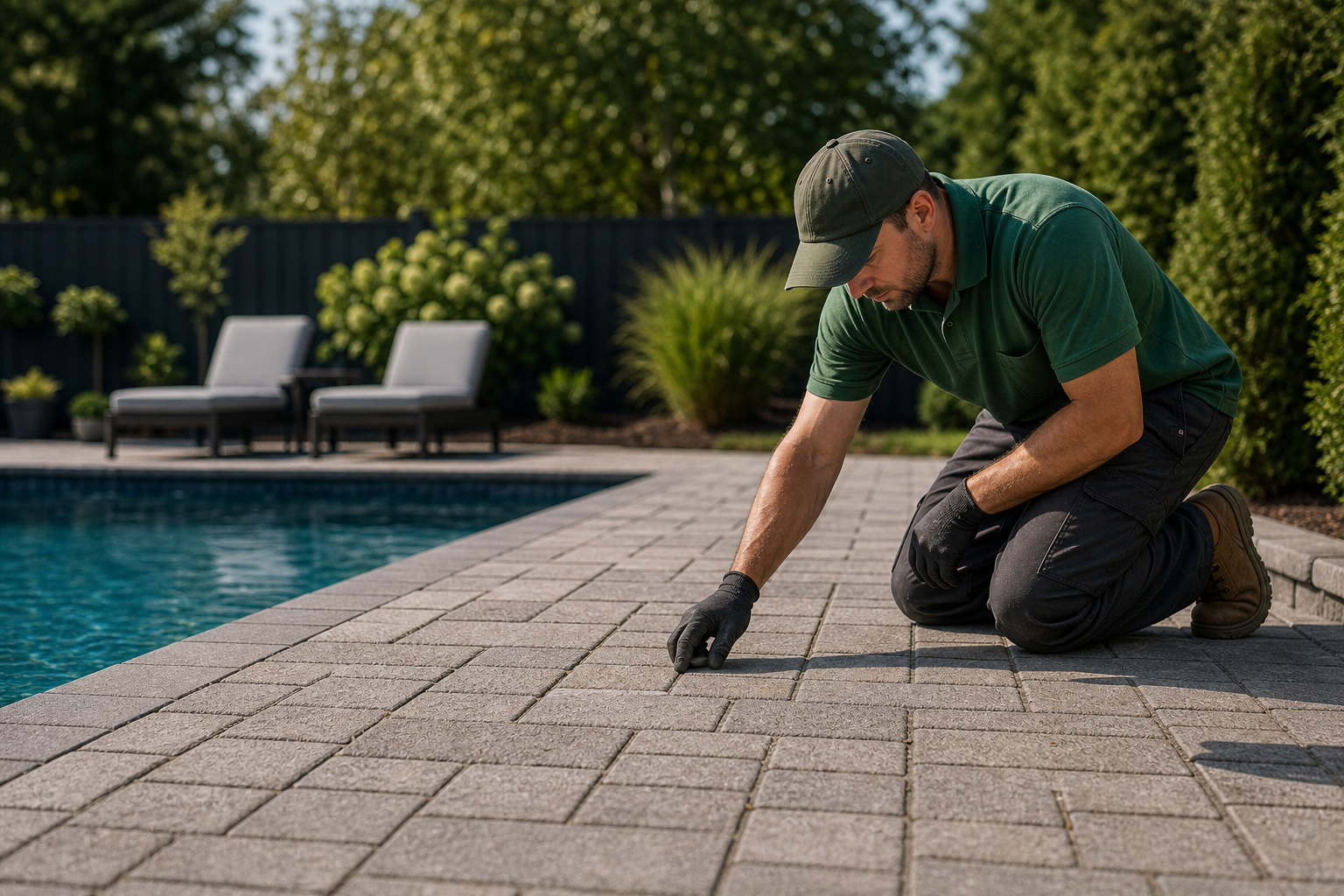
Warranties and maintenance rules determine who handles settlement, joint-sand loss, and sealing over time. Ask for written warranty language and a maintenance schedule to avoid surprises.
What warranties should cover
Expect a written workmanship warranty and separate manufacturer warranty for the pavers or coping product. Both should be provided in writing and specify exclusions. Do not accept a verbal warranty. Outdoor Living recommends getting warranty details in writing before you commit 10 Questions to Ask.
Maintenance and follow-up
Clarify who is responsible for routine tasks such as resealing, sand reapplication to joints, and addressing minor settlement. Ask the contractor to document the post-completion follow-up timeline and contact owner for service requests. HR Greenroots highlights a maintenance-minded approach across projects, so you should expect a contractor to offer a documented maintenance plan during the sale process HR Greenroots Landscaping.
How to compare quotes: decision criteria that matter more than price
Use a line-by-line comparison. Prioritize documented base and drainage specs, manufacturer product data sheets, warranty clarity, verified references, and sample patches over the lowest bid.
- High weight: base specification and compaction method, written drainage plan, coping joint detail, warranty documents.
- Medium weight: material brand and finish, maintenance schedule, portfolio photos of similar pools.
- Low weight: minor finish choices you can change after contract signing.
If a contractor claims a "standard" build will outperform a detailed plan, ask them to put the standard build specification in writing and to show similar completed projects. That response separates confident professionals from risky bidders.
On-site verification checklist and exact questions to ask during the consultation
Take this checklist to consultations. Read each question aloud and note the contractor response.
- "Please provide manufacturer data sheets for all proposed pavers and coping." Red flag if none supplied.
- "What is the exact base build: material, depth, and compaction method? Will you document compaction?" Red flag: vague or no numbers.
- "Show your drainage plan and slope direction. Where will surface or subsurface water go?" Red flag: no written plan.
- "Can you install a 1 m2 wet sample patch of the exact paver and coping to test slip and comfort?" Red flag: refusal.
- "Provide three recent pool-surround references and photos of completed coping integration." Red flag: no contacts or irrelevant projects.
- "Give me the written warranty and a maintenance schedule with reseal frequency if sealing is recommended." Red flag: no written warranty or vague terms.
- "Show proof of insurance and installer authorization from the paver manufacturer." Red flag: no proof.
If multiple red flags appear, pause and request clarifications in writing. A professional contractor will return with clear documentation rather than pressure you to sign immediately.
Further reading and local resources
For a deeper look at safety and base prep details that frequently affect interlocking for pool surrounds, review the HR Greenroots post on interlocking paver base preparation Paver base preparation and the pool surround safety article pool surround paver safety.
Frequently asked questions
How slippery are interlocking pavers when wet and how can I verify safety
Slip performance varies by finish and texture. Ask for manufacturer slip-resistance ratings and request a wet sample patch on site. If the contractor cannot supply test data or a sample, treat that as a red flag.
What warranty should I expect for a pool surround installed with interlocking pavers
Expect a written workmanship warranty and separate manufacturer warranties for products. Both should be provided in writing and specify exclusions. Do not accept a verbal warranty.
How often do pavers around a pool need sealing and who should do it
Sealing frequency depends on the product and finish. Ask the manufacturer and the installer for a reseal schedule and written instructions for approved cleaners. If the contractor cannot advise on resealing, treat that as a warning sign. The Solidshape guide recommends verifying sealing needs and maintenance procedures before purchase Pool Coping Selection Guide.
What installation shortcuts should I watch for that lead to early failure
Watch for thin or unspecified base depths, missing edge restraints, lack of compaction, no drainage plan, and jointing shortcuts. Any contractor that declines to document these items in the contract is a high risk.
Do I need permits for major pool surround work in Mississauga or the GTA
Permit requirements vary by municipality. Ask the contractor whether permits are required for the work described and whether they will obtain them. Do not assume permits are unnecessary; a reputable contractor will advise you or include permitting as a service.
When you are ready to discuss a site inspection, HR Greenroots Landscaping offers on-site consultations across Mississauga and the GTA and stresses base preparation and maintenance-minded planning as core parts of its service process HR Greenroots Landscaping. Contact HR Greenroots Landscaping to schedule a local consultation and bring this checklist to your meeting.