
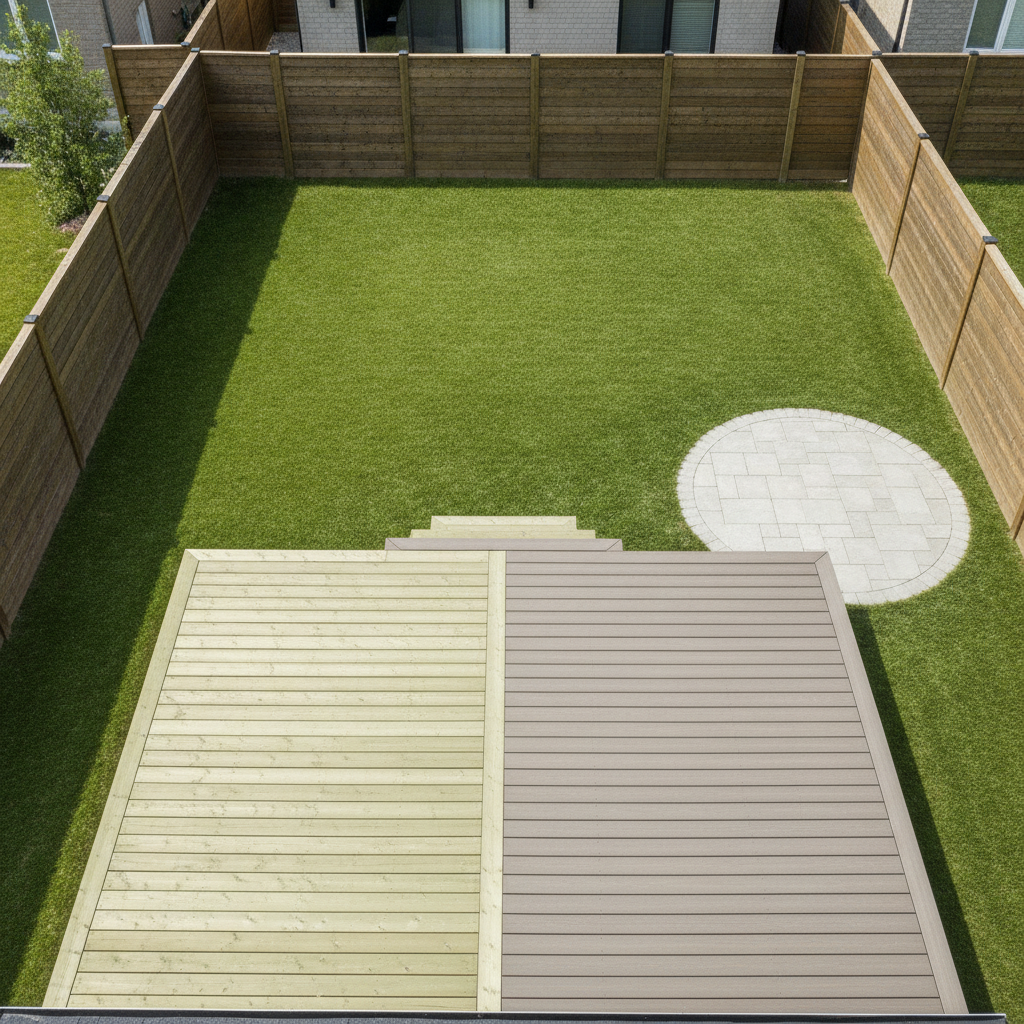
Pressure-treated vs composite decking in Mississauga: choose based on durability, maintenance, and local climate. At 100 Matheson Blvd E unit 202 in Mississauga, HR Greenroots Landscaping designs and builds decks that stand up to freeze–thaw cycles, snow, and summer sun. Here’s the quick answer: composite excels at low maintenance and stability; pressure-treated wins for entry-friendly builds and repair flexibility.
By HR Greenroots Landscaping · Last updated: 2026-06-15
Summary
Composite decking prioritizes low maintenance, fade resistance, and dimensional stability in Mississauga’s freeze–thaw climate. Pressure-treated lumber offers budget-friendly entry, easy repairs, and strong structural framing. Your best choice depends on desired upkeep, lifespan expectations, and deck exposure to moisture and sun.
Use this homeowner-friendly guide to make a confident choice for your backyard. We connect material science to real Mississauga site conditions and show how your deck can integrate with interlocking, fencing, and planting plans so the whole yard works together.
- Clear definition of pressure-treated wood and composite boards
- Quick comparison table focused on Mississauga climate factors
- Our top pick for most homes, plus 10 strong alternatives
- Step-by-step choosing framework and buying guide
- FAQ, methodology, and action steps to start your build
Pressure-treated vs composite: quick comparison for Mississauga
In Mississauga, composite decking reduces annual upkeep and resists moisture, fading, and warping. Pressure-treated pine remains the value-forward option with straightforward repairs and strong framing capability. Choose composite for minimal maintenance; choose pressure-treated for flexible designs and accessible material choices.
Pressure-treated lumber is softwood (often pine) infused with preservatives to resist rot and insects. Composite decking blends wood fibers and recycled polymers, usually with a protective “cap” that shields against stains and UV. Both can perform well when properly detailed, but they differ in maintenance load and long-term appearance.
Factor Pressure-Treated Lumber Composite Decking Mississauga Take Maintenance load Periodic sealing and stain touch-ups Soap-and-water cleaning Composite simplifies yearly care Moisture & freeze–thaw Can check/cup if poorly sealed Highly moisture resistant Composite handles spring melt Heat & sun exposure Surface grays without UV finish Color holds; capped boards resist fade Composite keeps color longer Repairability Easy to replace individual boards Replaceable, but color batch matching matters PT wins small repairs Structure use Primary choice for joists & beams Boards only; needs wood or steel frame PT for framing; either for surface Foot feel Natural wood underfoot Smooth, splinter-free caps Composite is barefoot-friendly Entry friendliness Great for phased projects Better for set-and-forget finishes Pick PT for staged buildsFor multi-surface yards, we often combine a composite deck with an adjacent patio. If you’re weighing a patio instead of a deck, see our comparison insights in interlocking patio or deck to visualize circulation and maintenance trade-offs.
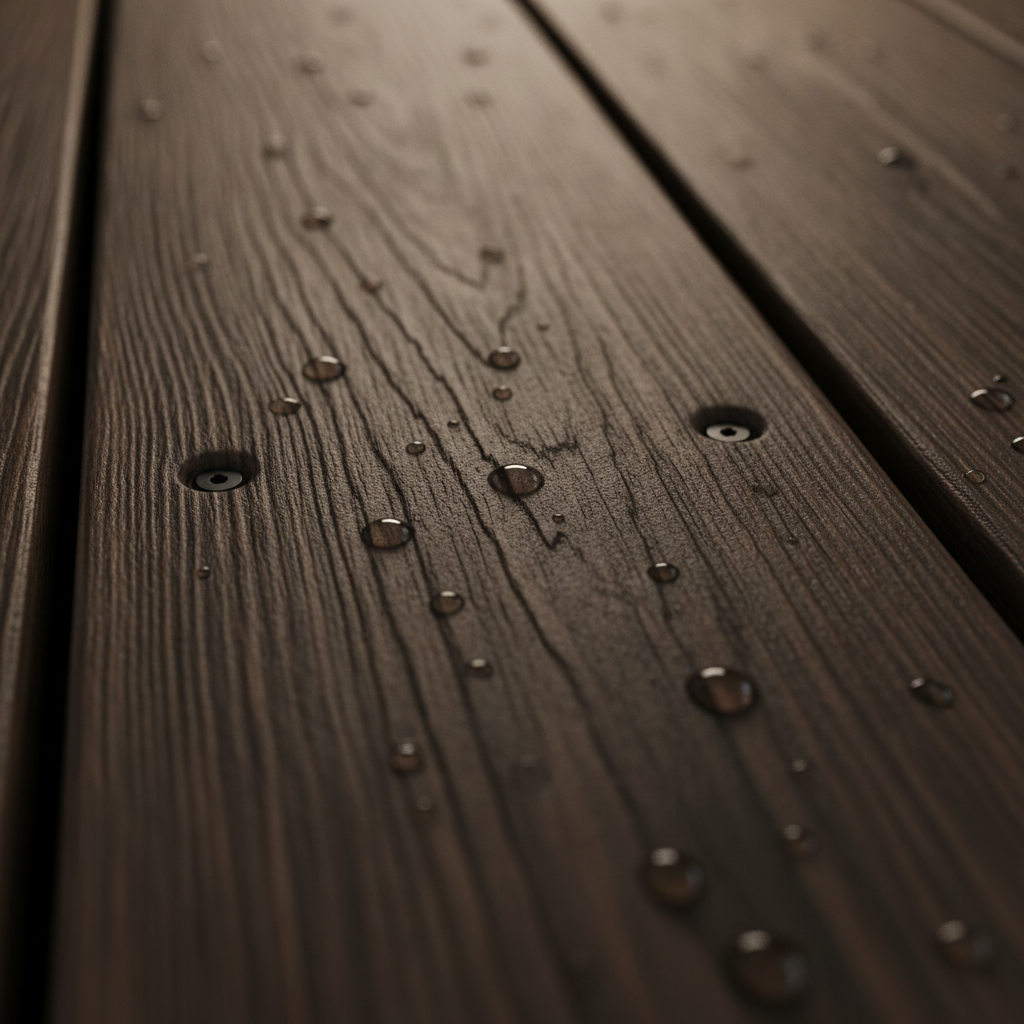
Our top pick for most Mississauga homes
For most residential backyards in Mississauga and the Regional Municipality of Peel, a hybrid deck—pressure-treated frame with capped composite surface—balances longevity, comfort, and maintenance. This pairing resists moisture, keeps color, and leverages reliable wood framing, making it ideal for high-traffic family spaces.
Why we recommend a hybrid build:
- Best of both worlds: Durable PT framing plus a capped composite surface that stays splinter-free.
- Predictable upkeep: Wash the surface seasonally; inspect framing annually like any deck.
- Great for pool surrounds: Composite’s cap resists swelling near splash zones.
- Design flexibility: Picture framing, inlays, and hidden fasteners elevate curb appeal.
In our experience installing decks across Mississauga backyards, hybrids maintain clean edges, shed water properly with correct spacing (3/16 inch typical board gap), and handle spring thaw without frequent re-staining cycles. They also transition cleanly to landscape design and build plans—think a composite deck stepping down to an interlocking patio with low-voltage lighting and a privacy fence to tame crosswinds.
Best decking options ranked (Entries #1–11)
Here are 11 decking approaches we specify in Mississauga, ranked for durability, upkeep, and user comfort. Each entry lists when it shines, what to watch for, and how it pairs with real-world yard conditions like shade patterns, drainage, and snow management.
- Hybrid: PT frame + capped composite boards
- Shines when: You want low-maintenance comfort with proven framing.
- Watch for: Ventilation under boards; use manufacturer joist spacing (often 12–16 in. on center for diagonals).
- Pair with: Interlocking patios and cohesive yard plans.
Example: A family near Saigon Park needed a pool-friendly surface. We built a PT frame, installed capped composite with hidden clips, and tied stairs into armour-stone steps. Spring runoff drains to a mulched bed, keeping fascia dry and tidy.
- Full composite on PT frame
- Shines when: You want minimal annual tasks and consistent color.
- Watch for: Thermal expansion; leave end gaps per the brand’s chart.
- Pair with: Privacy fencing to reduce wind exposure.
Scenario: A sun-baked yard needed shade sails and lighter-tone boards to keep foot temperatures comfortable. The set-and-forget cleaning routine sealed the choice.
- Pressure-treated surface & frame
- Shines when: Entry-friendly build, phased upgrades, or rental properties.
- Watch for: Sealing schedule, clean edge control, and drip gaps.
- Pair with: mulching and lawn refresh to control splash-back.
Tip: Keep end-grain sealed and maintain a consistent finish cadence to slow checking and UV graying.
- Cedar surface on PT frame
- Shines when: Warm wood tone and lighter weight matter.
- Watch for: UV protection; plan annual finish checks.
- Pair with: stone work accents for contrast.
Use case: Shaded yards where surface temperature isn’t a concern but aesthetics are paramount.
- PVC (capped polymer) boards on PT frame
- Shines when: Maximum moisture resistance is required—near splash zones and planters.
- Watch for: Heat buildup on dark colors; prefer lighter tones.
- Pair with: Shade sails or pergolas anchored to compliant footings.
Note: Many PVC lines offer high slip-resistance when wet; verify with published ratings.
- Thermally modified wood on PT frame
- Shines when: You want stable wood with reduced movement and a refined grain.
- Watch for: Manufacturer-specific fasteners and pre-drilling guidance.
- Pair with: Low, terraced retaining walls to define levels.
It weathers to a silver patina if left unfinished—plan that look or oil to maintain tone.
- Hardwood (ipe or similar) surface on PT frame
- Shines when: Dense, long-wearing natural wood is preferred.
- Watch for: Pre-drilling, stainless fasteners, and periodic oiling.
- Pair with: Armour stone steps and lighting for dramatic entries.
Hardwoods feel solid underfoot and resist dents; they demand skillful detailing.
- Aluminum decking on PT or metal frame
- Shines when: Zero organic material and built-in drainage channels help.
- Watch for: Footfall sound; consider underlay strips to quiet steps.
- Pair with: storage under-deck or sheds where runoff control matters.
Good for second-story decks where dry space below is a priority.
- Engineered bamboo boards on PT frame
- Shines when: Sustainability and dimensional stability are goals.
- Watch for: Ontario climate rating and end-seal requirements.
- Pair with: Planting plans that favor partial shade.
Ask for cold-climate exposure data and warranty terms specific to freeze–thaw regions.
- Porcelain paver deck on pedestal system
- Shines when: Rooftops or low-clearance patios need a rigid, elegant finish.
- Watch for: Freeze–thaw-rated tiles and positive slope to drains.
- Pair with: walkway installation for continuity.
Porcelain offers colorfast surfaces and excellent stain resistance with minimal upkeep.
- Composite with integrated lighting
- Shines when: Safety and nighttime use are priorities for families.
- Watch for: Cable routing and service access behind fascia.
- Pair with: Fence posts and stair risers for layered light.
Low-voltage LEDs along picture frames boost curb appeal and wayfinding without glare.
- Cedar or PT with black accent rails
- Shines when: You want a modern contrast and clear sightlines.
- Watch for: Powder-coated hardware compatibility and corrosion resistance.
- Pair with: privacy fencing styles for a cohesive perimeter.
This look frames views and pairs well with simple stone borders and fresh sod.
How to choose for your yard (step-by-step)
Decide between pressure-treated and composite by mapping exposure, drainage, foot traffic, and desired upkeep. Score each factor 1–5; if low-maintenance and moisture resistance top your list, composite wins. If flexibility, repairs, and phased builds matter, pressure-treated leads.
- Audit exposure: Note hours of sun, prevailing winds, and nearby trees. Shaded sites can favor wood tones; high sun favors lighter composite colors.
- Trace water: Watch spring melt paths and downspout outflows. Ensure positive slope and splash control into mulched beds.
- Estimate use: Count regular users, grills, and furniture. Plan live loads and traffic lanes to set joist spacing and stair widths.
- Pick upkeep level: Choose between periodic finishes or simple washing. Composite’s “wash and relax” routine appeals to busy households.
- Select surface: Composite for set-and-forget; PT for adaptable builds and easy board swaps.
- Engineer framing: Use PT or steel; follow span tables. Many composite brands specify 12–16 in. on-center spacing (tighter for angles).
- Detail edges: Picture-frame, vent fascia, and hold drip gaps to protect corners and landscaping.
- Plan connections: Stairs, landings, and interlocking transitions prevent trip points and mud tracks.
Local considerations for Mississauga
- Near Saigon Park or Lambton College, open-field winds dry surfaces fast—orient boards and preserve 3/16 in. gaps to vent moisture.
- Spring thaw and fall rains demand positive slope away from the house; detail ledger flashing and drip edges to manage runoff cleanly.
- Snow cycles stress fasteners; specify corrosion-resistant hardware and hidden clips rated for Ontario seasons.
Planning a project? Get a coordinated plan that balances movement, planting depth, and durable materials. Book an on-site consultation with HR Greenroots Landscaping to align your deck with fencing, interlocking, and planting for year-round usability.
Buying guide: specs, materials, and installation details
Choose capped composite with hidden fasteners for low-maintenance surfaces, and pressure-treated lumber for framing to standard span tables. Prioritize corrosion-resistant hardware, proper ventilation, and ledger flashing. Demand clear manufacturer installation specs and a site plan showing drainage and edge detailing.
Surface board selection
- Composite caps: Favor multi-layer caps with stain and fade protection. Ask for wet slip ratings and heat-reflective pigments on darker tones.
- Board profile: Solid vs. scalloped cores affect stiffness and feel. Match profile to joist spacing and consider diagonal layouts.
- Color temperature: Dark boards run warmer in full sun. Use lighter tones, shade structures, and airflow beneath the deck for comfort.
- Hidden fasteners: Clips create even spacing and a clean face; keep access points for future board swaps.
Framing and hardware
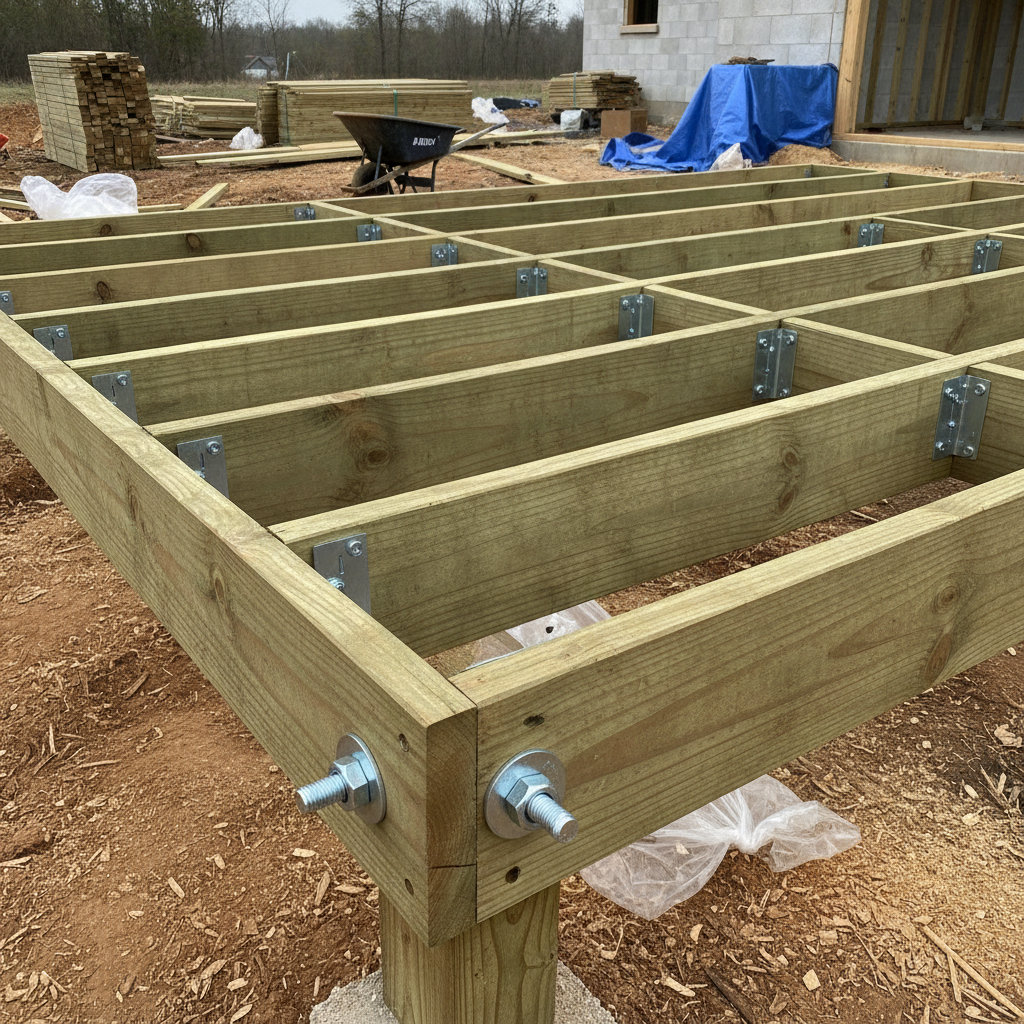
- Framing spans: Use pressure-treated joists and beams sized to local span tables; tighten spacing for heavy planters or hot tubs.
- Hardware: Select galvanized or stainless hangers, bolts, and hidden clips compatible with the decking brand.
- Footings: Set below frost line with verified soil bearing. Plan pier layout for stairs, landings, and shed tie-ins.
- Railings: Choose systems that meet local code for height and baluster spacing; integrate lighting conduits early.
Drainage and ventilation
- Ledger detailing: Flashing and water-management membranes prevent intrusion at the house connection.
- Under-deck airflow: Maintain clear space for ventilation to reduce moisture buildup and prolong framing life.
- Perimeter edges: Drip gaps and clean edge control protect fascia and adjacent beds from staining.
For inspiration on tying decks to broader yard upgrades, browse regional hardscape ideas like these nearby case notes on backyard landscaping design, a step-by-step patio planning walkthrough, and a pool and patio layout guide. Apply the planning logic—circulation, drainage, and maintenance—to your Mississauga site.
Frequently Asked Questions
Homeowners often ask about lifespan, heat, and maintenance. Composite stays color-stable and splinter-free with simple washing. Pressure-treated wood is easy to repair and refinish. Both require proper framing, flashing, and ventilation to perform in Mississauga’s climate.
Is composite decking worth it in Mississauga?
Yes. Composite resists moisture, fading, and splinters, which suits spring thaw and summer sun. Expect simple soap-and-water cleaning. Proper ventilation and spacing are still essential for performance.
Does pressure-treated wood last in freeze–thaw cycles?
It can last when sealed and detailed correctly. Annual inspections, prompt finish touch-ups, and good drainage reduce checking and cupping. Many decks use PT successfully for decades with consistent care.
Will composite feel hotter underfoot?
Dark colors can run warmer in full sun. Choose lighter tones, add shade, or plan airflow beneath the deck to improve comfort. Texture and footwear make a noticeable difference on peak summer days.
Can I mix materials—wood frame, composite surface?
Absolutely. Most composite decks ride on pressure-treated frames. This hybrid approach balances strength, flexibility, and low-maintenance surface benefits—ideal for family backyards and pool surrounds.
Methodology: how we ranked and what we tested
We scored decking systems on durability, upkeep, moisture response, heat comfort, repairability, and installation clarity. Field data comes from Ontario builds we’ve completed, combined with manufacturer specifications and recognized wood and polymer guidance for cold climates.
- Durability & movement: Observed board stability across seasons on real projects.
- Upkeep: Time and steps required for seasonal care, from washing to finish checks.
- Moisture: Behavior near splash zones, planters, and over wet soils.
- Heat: Surface temperature feel on dark vs. light tones in direct sun.
- Repairability: Ease of swapping boards and disguising fastener points.
- Documentation: Clarity of install manuals, joist spacing charts, and fastening methods.
We cross-check designs against our deck planning process and overall landscape design and build best practices so drainage, movement, and materials align across the property.
Conclusion and next steps
Choose composite if you want “wash and relax” upkeep with long-term color. Choose pressure-treated when you value flexibility, straightforward repairs, and staged building. For many Mississauga homes, a hybrid deck delivers the best balance of comfort, durability, and curb appeal.
Key takeaways:
- Composite surfaces minimize annual tasks and keep color longer.
- Pressure-treated frames remain the structural standard for joists and beams.
- Drainage, ventilation, and edge detailing matter more than brand names.
- A hybrid build often wins for family backyards and pool zones.
Next step: Book a Mississauga on-site consultation with HR Greenroots Landscaping. We’ll map exposure, drainage, and circulation, then design a deck that connects to interlocking, fencing, retaining walls, and planting so the whole yard works—day one and years later.


