
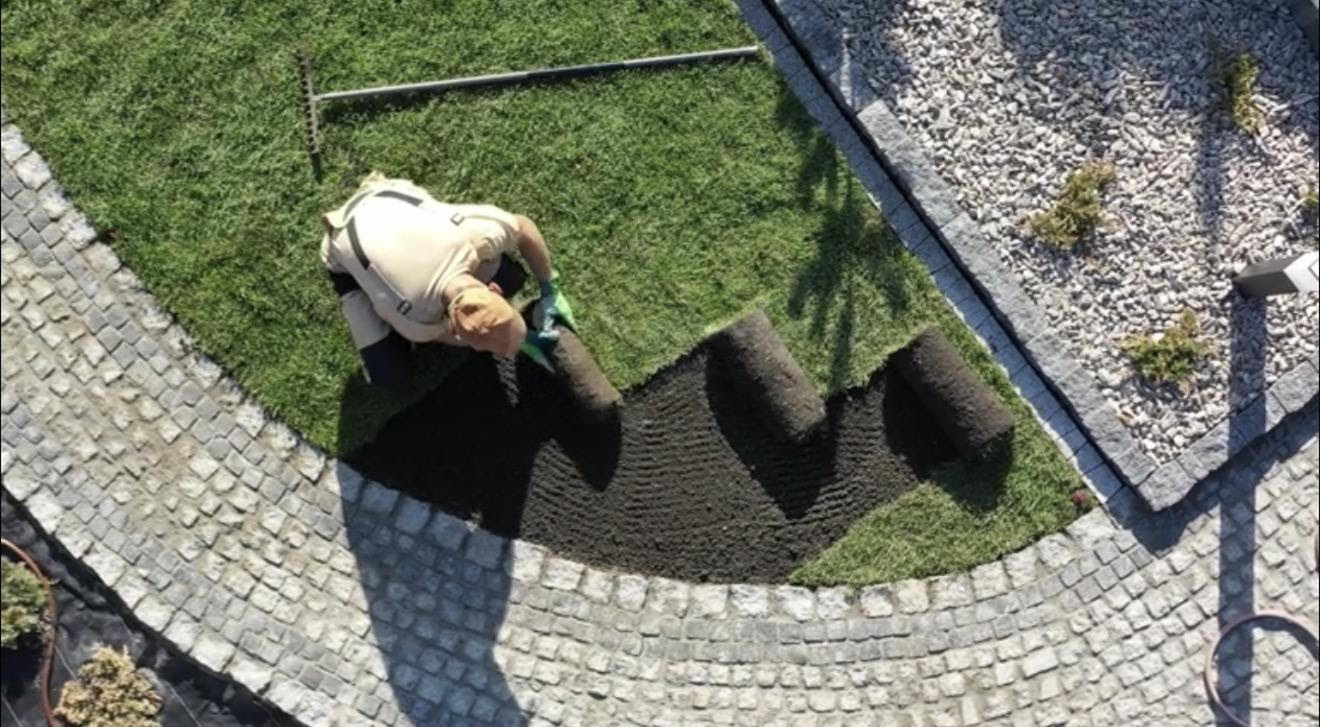
Slope correction solutions are professional methods to regrade land, control runoff, and stabilize soil so water flows away from your home and living areas. In Mississauga, HR Greenroots Landscaping designs and builds grading, drainage, and retaining systems that protect foundations, reduce ice hazards, and turn unusable slopes into functional space.
By HR Greenroots Landscaping
• hrgreenrootslandscaping.com
Last updated: May 3, 2026
Quick Summary
Slope correction fixes negative grade and poor drainage by reshaping soil, adding surface or subsurface drains, and using retaining structures or permeable surfaces where needed. The goal is simple: direct water away from the foundation, stop erosion, and reclaim safe, level areas—without creating new runoff problems.
This complete, Mississauga-focused guide shows you how we diagnose grade issues, choose the right mix of regrading, swales, French drains, permeable pavers, and retaining walls, and deliver lasting results. You’ll also find a step-by-step plan, best practices, tools we use, and real GTA project snapshots.
- What slope correction is and how it protects your home
- Why it matters in freeze–thaw climates like the GTA
- How regrading, drains, and walls work together
- Best practices we follow for durable, low-maintenance results
- Step-by-step plan you can follow or hand off to our crew
Use the table of contents to jump to a section:
- What is slope correction?
- Why it matters
- How it works
- Types of solutions
- Best practices
- Tools and resources
- Method comparison
- Case studies
- Step-by-step plan
- Pricing factors
- FAQ
What is slope correction?
Slope correction is the planned reshaping of terrain—paired with drainage controls—to make water shed away from structures and high-use areas. Done right, it blends grading, soil stabilization, and water-conveyance features so yards drain predictably during storms and spring thaws.
In practice, we remove “negative grade” (soil tipping toward your house) and re-establish a positive pitch—typically 2% to 5% fall away from foundations for the first 6–10 feet. Where surface flow concentrates, we carve gentle grass swales. Where soil stays saturated, we add subsurface drainage like French drains to intercept and redirect water.
- Positive grade: Finished soil slopes down and away from the home.
- Surface conveyance: Swales, catch basins, or trench drains guide runoff.
- Subsurface control: Perforated pipe in washed stone relieves groundwater.
- Stabilization: Retaining walls or terraces hold soil and create level space.
Because we’re a design–build team serving Mississauga and the GTA, we integrate grading, drainage, and hardscapes—sod, interlocking pavers, and walls—so your yard looks intentional on day one and remains practical through the seasons.
Why slope correction matters
Correct grading reduces foundation moisture, limits frost heave, and keeps patios, walkways, and lawns usable. It also protects neighbors by controlling discharge, cutting erosion, and reducing winter ice formation on paths and driveways.
Here’s the thing: water always finds a way. Persistent damp soil beside a foundation raises hydrostatic pressure. Freeze–thaw cycles can jack pavers and shift decks when trapped water expands. Turf stays spongy, ruts under foot traffic, and invites weeds. Proactive slope work prevents those failures and extends the life of your surfaces.
- Foundation protection: Keeping 2%–5% positive pitch away from walls decreases moisture contact.
- Hardscape longevity: Dry, well-compacted bases mean fewer callbacks for settling or heave.
- Usability and safety: Terraces and swales add walkable areas and reduce ice sheets.
- Neighbor-friendly: Directed flow avoids pushing water over property lines.
In our experience around Mississauga, small grading corrections solve most issues. When elevation changes are significant or soils hold water, we combine regrading with drains, permeable bases, or retaining walls for a complete fix.
How slope correction works (diagnosis to delivery)
We map water paths, measure grades, and test soils. Then we pair regrading with swales, French drains, catch basins, or retaining walls. The system moves water gently from the foundation zone to a stable outlet without overloading neighbors or storm inlets.
Our crews follow a repeatable field process so each element ties into verified elevations. This sequence keeps quality high and surprises low.
- Site assessment: Walk the lot after rain if possible; note puddles, downspout discharge, low points, and soil types.
- Measure grades: Use a laser level and rod to confirm fall away from the foundation and toward outlets.
- Method selection: Regrade first. Add swales, drains, or walls only as the site demands.
- Set elevations: Establish benchmarks for finished grades at doors, patios, and lawn tie-ins.
- Rough regrade: Remove negative grade; shape swales with 1%–3% longitudinal slope.
- Drainage install: French drains slope 1% to daylight or a basin; use clean 3/4" stone and non-woven geotextile.
- Retaining/terracing: Install a compacted base, drainage stone, and geogrid per wall height.
- Surface finishes: Compact bases; install interlocking pavers, premium sod, mulch, and clean edging.
- Punch list: Hose-test, fine-tune elevations, stabilize exposed soils with seed or sod.
Local considerations for Mississauga
- Plan for freeze–thaw: use well-graded base aggregates, include drainage stone behind walls, and keep measurable positive slope from foundations.
- Spring thaws and fall storms can saturate clay-rich soils—favor swales and French drains to relieve standing water.
- Coordinate downspout extensions with grading so roof runoff doesn’t cut channels through fresh sod or mulch.
Types of slope correction solutions
Effective options include regrading for positive slope, swales for surface flow, French drains for subsurface water, permeable pavers to soak and shed, and retaining walls to create level terraces. A hybrid system often delivers the most reliable, low-maintenance result.
Regrading (always start here)
- What it is: Reshaping soil so finished grade falls away from structures and toward safe outlets.
- Why it works: It restores the essential 2%–5% pitch most homes need to keep water off the walls.
- Details that matter: Create smooth transitions; compact lifts; protect new soils with sod or mulch to prevent erosion.
Swales and surface drains
- Swales: Shallow, vegetated channels that collect sheet flow and route it gently. Longitudinal slope of 1%–3% is typical.
- Catch basins/trench drains: Collect surface water at low points or across driveways and send it to a discharge point.
- Outlets: Daylight to a stable area, connect to a dry well, or tie into an approved storm inlet where allowed.
French drains (subsurface interception)
- What it is: Perforated pipe, wrapped in non-woven geotextile and embedded in washed stone, sloped to an outlet.
- Use cases: Persistent wet zones, toe-of-slope seepage, or lawns that stay spongy days after rain.
- Specs: Maintain ~1% pipe slope; use clean, angular stone (no fines) to minimize clogging.
Permeable pavers and open-graded bases
- How they help: Paver joints pass water into a storage base that detains and releases it slowly.
- Best for: Driveways, patios, and walkways where you need both structure and drainage.
- Build notes: Use open-graded aggregate base, edge restraints, and polymeric joint sand designed for permeable systems.
Retaining walls and terracing
- Purpose: Hold soil and create flat, usable zones on slopes for seating, sheds, or play.
- Engineering: Include drainage stone, perforated pipe, and geogrid reinforcement based on wall height and soil.
- Integration: Tie swales or French drains behind the wall into a safe outlet to relieve pressure.
Best practices for durable results
Start with grading; then add drains or walls strategically. Keep consistent fall away from the house, separate soils with non-woven geotextile where needed, and compact in thin lifts. Tie every component into a single elevation plan you can verify with a level.
- Positive pitch from walls and slabs: Maintain a measurable drop from the foundation across the first few yards.
- Open-graded bases: For interlocking pavers, use clean, angular aggregates that drain and lock.
- Fabric separation: Wrap French drain stone with non-woven geotextile to reduce fines migration.
- Edge control: Secure paver edges and transitions to prevent base and joint migration.
- Wall drainage: Every wall gets drainage stone and a perforated pipe; taller walls need geogrid per manufacturer guidance.
- Vegetated stabilization: Sod or deep-rooting plants protect new soil faces from erosion.
For a deeper dive into base and wall drainage details, see our perspective on retaining wall drainage and our primer on lawn grading basics for residential lots in the GTA.
Tools and resources you’ll see on-site
Expect layout tools (laser level, stakes), earthmoving equipment, and compaction gear. For drainage, we use perforated pipe, non-woven geotextile, and washed stone. For hardscapes, you’ll see paver restraints, polymeric sand, and geogrid for taller walls.
- Measurement: Laser level, rod, tape, stringlines, and marking paint for precise elevations.
- Earthwork: Mini excavator, skid steer, grading rakes, and wheelbarrows for tight access lots.
- Compaction: Plate compactor, jumping jack, and hand tampers for bases and backfill.
- Drainage materials: Perforated SDR-35 or HDPE pipe, clean 3/4" stone, non-woven geotextile.
- Hardscape materials: Concrete pavers, edge restraints, polymeric sand, geogrid, and wall units.
Curious how we align these tools inside a complete build? Our landscape design–build overview explains how grading, drainage, planting, and hardscaping come together in one coordinated plan.
Method comparison at a glance
Choose regrading for universal fixes, add swales for broad surface flow, use French drains for saturated soils, pick permeable pavers for dual-use surfaces, and build retaining walls when you need level space or to hold back grade changes.
MethodBest UseProsKey Considerations RegradingGeneral drainage correctionLow maintenance, foundationalMay need drains where soils stay wet SwalesDirecting sheet flowGreen, blends into lawnNeeds space and stable outlets French drainSubsurface interceptionTargets persistent wet zonesRequires fabric and clean stone Permeable paversDriveways/patiosInfiltrates and stores waterNeeds open-graded base Retaining wallLarge elevation changeAdds usable terracesDemands base, drainage, geogridMini case studies from GTA properties
Small grading tweaks solve many problems, but complex lots benefit from combined systems. These quick examples show how layering methods—regrading plus drains, or walls plus permeable pavers—creates dry foundations and walkable, mowable spaces.
- Backyard sponge to play lawn: We regraded away from the foundation, carved a grass swale, installed a short French drain at the low corner, then finished with premium sod. Result: no standing water after rain and a firm surface within a day.
- Patio that stayed dry: We replaced a heaved slab with interlocking pavers on an open-graded base, routed two downspouts into an underground drain, and edged with mulch beds to capture splash. Result: stable joints and no ice sheets across the path.
- Steep side yard made safe: We built a segmental retaining wall with drainage stone and geogrid, terraced two flat steps for access, and tied a French drain behind the wall to daylight. Result: safer maintenance and a clean walkway.
- Driveway extension without runoff issues: We widened a driveway using permeable pavers on an engineered base, keeping slope within 1%–2% and integrating a trench drain at the garage apron. Result: added parking with controlled runoff.
- Shed pad on a slope: We cut and filled to level a pad, installed a compacted base, and added a swale upslope to shunt water around the structure. Result: dry storage and a tidy edge condition.
Step-by-step slope correction plan
Confirm water paths, fix grading first, then add targeted drainage and stabilization. Verify each step with a level or hose test so you know the system works before finishing surfaces like pavers or sod.
- Document trouble: Take photos after rain; note puddles, musty smells, and soft spots.
- Map elevations: Check falls from doors, patios, and the foundation to likely outlets.
- Regrade priority: Remove negative grade; shape swales and smooth transitions.
- Drain selection: Use a French drain for saturation; basins or trench drains for surface flow.
- Wall decision: If slopes exceed safe mowing angles, terrace with a properly drained wall.
- Integration: Tie downspouts into drains with accessible cleanouts.
- Stabilize: Compact bases; install pavers, sod, mulch, and edge restraints.
- Test and adjust: Hose-test, tweak elevations, and finalize edges and plantings.
- Maintenance plan: Keep inlets clear, re-edge beds seasonally, and inspect wall caps and joints annually.
Need a professional assessment? Our Mississauga team integrates grading, drainage, and hardscaping under one roof. We’ll right-size the scope—no overbuilding—so your yard stays dry and easy to care for.
Pricing factors (what drives the investment)
Scope, access, soil conditions, and chosen methods shape the investment. Regrading alone is simpler; adding drains, permeable bases, or engineered walls increases complexity. A site visit is essential to right-size the design and avoid overbuilding.
- Access and haul: Tight side yards or long material hauls add time.
- Soil and water: Clay versus sandy loam, groundwater presence, and catchment size influence design.
- Finishes: Sod, interlocking pavers, mulch, and edging choices affect duration and materials.
- Structures: Retaining wall height, geogrid layers, and steps or railings change complexity.
- Drainage distance: How far you must run to a stable, approved discharge point.
Frequently asked questions
Homeowners ask how to spot negative grade, whether French drains or swales are better, and how long slope correction takes. These quick answers cover timelines, maintenance, and when to choose regrading versus walls or permeable pavers.
How do I know if my yard needs slope correction?
Look for water pooling near the foundation, soggy areas days after rain, soil lines creeping up your siding, or pavers settling unevenly. If snowmelt runs toward the house or you see basement damp spots, you likely have negative grade or missing drainage.
What’s better: a swale or a French drain?
Use a swale to move broad surface water gently across the yard. Choose a French drain to intercept subsurface moisture where soil stays saturated. Many sites use both—regrading and swales handle most water, while drains target persistent wet zones.
Do retaining walls always require drainage behind them?
Yes. Walls should include drainage stone, a perforated pipe, and fabric separation. Without drainage, water pressure builds up, increasing movement and freeze–thaw damage risk. Taller walls typically need geogrid reinforcement per manufacturer guidance.
How long does a typical slope correction project take?
Small regrading and drain installs often wrap in several working days, weather permitting. Projects with retaining walls, permeable paver patios, or complex downspout rerouting can extend into a couple of weeks to allow for staged compaction and quality checks.
Will slope correction affect my neighbors?
A well-designed plan directs water to stable, approved outlets, not across property lines. Swales, infiltration features, and controlled discharge protect adjacent lots. Good design documents where water goes during routine rain and major storms.
Key takeaways
Fix grading first, then add only the drainage or retaining elements your site needs. Verify slopes with a level, connect downspouts thoughtfully, and stabilize new soils quickly. The right mix turns soggy, sloped yards into durable, usable outdoor space.
- Positive pitch (2%–5%) away from foundations is non-negotiable.
- Swales manage surface water; French drains handle subsurface saturation.
- Permeable pavers and open-graded bases add structure without pushing runoff downhill.
- Every retaining wall needs drainage stone and a perforated pipe; taller walls need geogrid.
- Finish strong: compact bases, protect new soils, and keep inlets clear.
Next step: Book an on-site assessment in Mississauga and the GTA. We’ll map water paths, confirm elevations, and design slope correction that aligns with your goals for curb appeal, usability, and low maintenance.
For additional planning perspective on drainage-friendly patios and walkways, you can review regional design discussions such as planning patio or walkway advice, landscape design ideas, and pool and patio homeowner guides. While site conditions vary, these overviews echo the value of base preparation, positive slope, and thoughtful water routing.


