
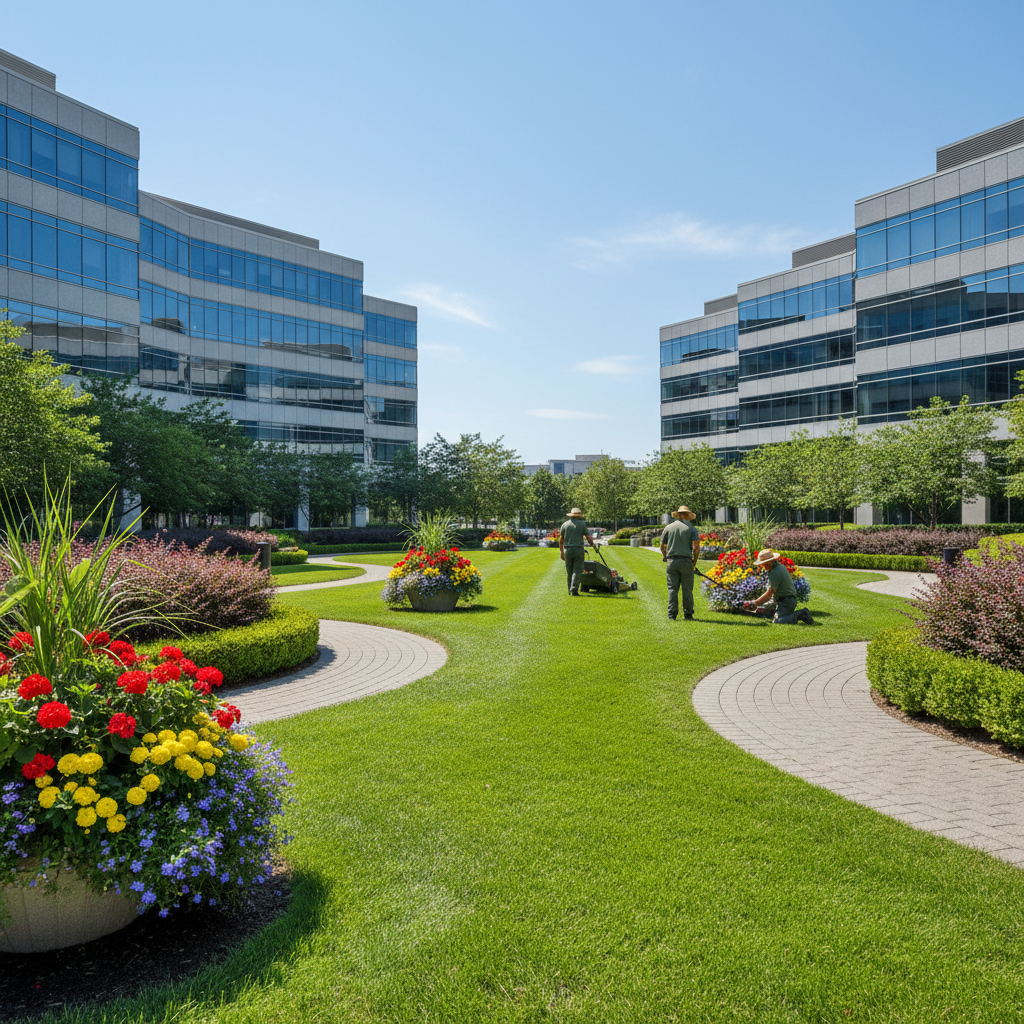
Mississauga property manager landscaping services are integrated grounds care programs that combine maintenance, enhancements, and safety to keep multifamily, commercial, and campus sites camera-ready year-round. At HR Greenroots Landscaping (100 Matheson Blvd E unit 202, Mississauga), we deliver end-to-end design-build-maintain solutions so properties look sharp on day one and stay resilient through the seasons.
By HR Greenroots Landscaping • Last updated: 2026-05-17
Overview and Table of Contents
This complete guide shows Mississauga property managers how to plan, prioritize, and run grounds care like a pro. You’ll learn what services matter, how scheduling works, the difference between maintenance and capital upgrades, and how HR Greenroots integrates design, build, and maintenance into one accountable program.
Managing busy sites means dozens of moving parts—seasonal tasks, tenant expectations, and risk controls. This guide is organized for quick scanning and practical action.
- What property-manager-focused landscaping includes
- Why curb appeal and safety drive NOI and retention
- How annual schedules and SLAs keep work on track
- Service types: maintenance, enhancements, and capital projects
- Best practices for Mississauga and the Peel region
- Tools, templates, and on-site examples
What Is Mississauga Property Manager Landscaping Services?
Property manager landscaping services are coordinated grounds programs covering lawn, beds, hardscape, and site features. In Mississauga, they blend weekly care, seasonal cleanups, and targeted upgrades backed by documented inspections, response SLAs, and safety procedures to protect tenants, reduce risk, and preserve asset value.
In plain terms, it’s everything required to keep outdoor areas safe, attractive, and usable—without creating extra work for you. For larger properties, this includes scheduled maintenance, enhancement projects, and capital improvements that solve grading, access, and durability issues.
Core service categories we run for managers
- Routine maintenance: mowing (20–30 cuts/season), edging, bed weeding, pruning, litter sweeps, irrigation checks, and mulch refresh cycles.
- Enhancements: sod installation and lawn replacement, interlocking walkway fixes, garden bed replanting, privacy fencing sections, and lighting add-ons.
- Capital projects: interlocking & paver rebuilds, retaining walls for slope control, drainage and grading corrections, deck replacements, shed installs, and driveway extensions.
Because HR Greenroots is a true design–build–maintain provider, you get one accountable team that scopes issues, installs with strong base prep, and plans care so the site remains manageable after handoff.
Why It Matters in Mississauga and Peel
Great grounds care in Mississauga and the Regional Municipality of Peel reduces slip hazards, raises curb appeal, and streamlines tenant move-ins. A consistent program with documented inspections and 24–48 hour response targets helps minimize incidents and improves renewal rates for multifamily and commercial sites.
Beautiful outdoor areas aren’t just “nice to have.” They influence leasing and daily safety. Clean edges, stabilized pathways, and tidy beds reduce trip risks and send a clear signal that the property is managed well. We’ve seen sites improve showing-to-lease ratios after tightening weekly basics and fixing two or three obvious hardscape issues.
Local considerations for Mississauga
- Plan walk-throughs near EPIC College of Technology or Saigon Park blocks around lunch when foot traffic rises; a 15–30 minute timing shift can speed vendor access and reduce tenant disruption.
- Build your annual schedule around spring thaw and late-fall leaf drops; aim for two heavy cleanups (April and November) and weekly cuts from late May through September.
- Account for irrigation blowouts before the first hard frost and set a target reactivation window 2–3 weeks after consistent night temps above 41°F.
How Property-Manager Landscaping Works (From Intake to Inspection)
Effective programs follow a repeatable loop: site intake, baseline corrections, weekly cadence, seasonal transitions, and documented inspections. The best results come from pairing quick wins (edges, mulch, mow lines) with heavier fixes (grading, pavers, walls) scheduled during low-traffic windows.
Here’s the operational flow we run with Mississauga managers and boards. Each step is time-boxed and documented so you always know status and next actions.
Phase Goal Typical Actions Timing Deliverables 1) Intake & Assessment Establish baseline 30–60 min site walk, photo log, hazard list, irrigation check Week 1 Findings summary + priority map 2) Quick Wins Visible lift fast Edges, mow stripes, debris pull, prune lines, mulch top-up Week 1–2 Before/after photos 3) Baseline Corrections Stability Spot-sod, paver lifts/resets, drainage swales, bed edging Weeks 2–6 Issue log resolved 4) Weekly Cadence Consistency 20–30 mows/season, weed cycles, pruning windows, litter patrols May–Sept Weekly report snapshots 5) Seasonal Transitions Readiness Spring/fall cleanups, irrigation start/blowout, plant splits April/Nov Checklist sign-offs 6) Inspections & SLAs Accountability Monthly audits, safety items, 24–48 hr response targets Monthly Scorecards + photosMost properties see a measurable uplift in the first 14 days when edges, mulch, and mow lines are tightened. Heavier work—like regrading a low spot—often slots into lower-foot-traffic windows or between leasing peaks.

Service Types and Approaches (Maintenance, Enhancements, Capital)
Split your program into three tracks: maintenance for reliability, enhancements for curb appeal, and capital projects for longevity. This framework keeps weekly tasks lean while channeling bigger fixes—like walls or grading—into planned, minimally disruptive work windows.
Many managers waste time when everything is “urgent.” A clear track system keeps weekly crews focused and reserves specialized teams for heavier upgrades.
Maintenance track: keep it predictable
- Lawn care: 20–30 mowing visits per season with sharp blades and consistent striping. Spot-sod any thin areas within 7–10 days to prevent weed creep.
- Beds and shrubs: 4–6 bed weeding cycles, selective pruning in late spring and midsummer, and 2–3 inches of fresh mulch annually.
- Hardscape checks: Monthly paver trip-point scan; lift, re-level, and resand any joints exceeding 1/2 inch variance.
- Irrigation and watering: Weekly zone checks in summer; adjust run times after rain by at least 20% to save water.
Enhancement track: fast wins and visual lifts
- Sod installation and lawn replacement: Correct grade and base, then install premium sod; water deeply for 10–14 days.
- Interlocking fixes: Reset settled pavers near entrances; add edge restraint and polymeric sand to lock joints.
- Planting refresh: Layered, Ontario-suited mixes for color and structure—selected for low maintenance and winter interest.
- Fencing and screens: Privacy panels to buffer amenity areas without shutting down natural sightlines for security.
Capital track: durability and safety
- Retaining walls and grading: Manage slope and soil movement; design for drainage and frost considerations.
- Interlocking & pavers rebuilds: Reconstruct with strong base prep and clean edge control to prevent recurring settlement.
- Decks, sheds, and driveway extensions: Expand usable space, storage, and parking capacity where it matters most.
- Stone work and armour features: Steps, borders, and accents that stand up to foot traffic and freeze–thaw cycles.
HR Greenroots covers all three tracks in-house—design, build, and maintenance—so your scope stays cohesive and accountable across the full property lifecycle.
Best Practices for Managers (Scheduling, Safety, Communication)
Run your program with tight cadences: weekly basics, monthly audits, and two heavy seasonal cleanups. Document hazards, set 24–48 hour response targets, and keep a rolling 90-day enhancement pipeline so you can approve quick lifts without slowing core maintenance.
Scheduling that actually works
- Weekly visits: Fix a weekday for each property; post a notice for lease offices and facility desks.
- Monthly audits: 30–45 minutes on foot with photos; track trip points, sightline obstructions, and irrigation leaks.
- Seasonal anchors: Two heavy cleanups (April, November), mulch top-up by late May, and bed refresh in early September.
- Quiet hours: Avoid peak tenant windows; shift noisy work 30–60 minutes earlier or later to reduce interruptions.
Safety and risk controls
- Trip point tolerance: Keep walkway variance under 1/2 inch; flag and cordon off within hours if exceeded.
- Visibility lines: Maintain 30–36 inches between hedges and paths; prune to maintain camera sightlines.
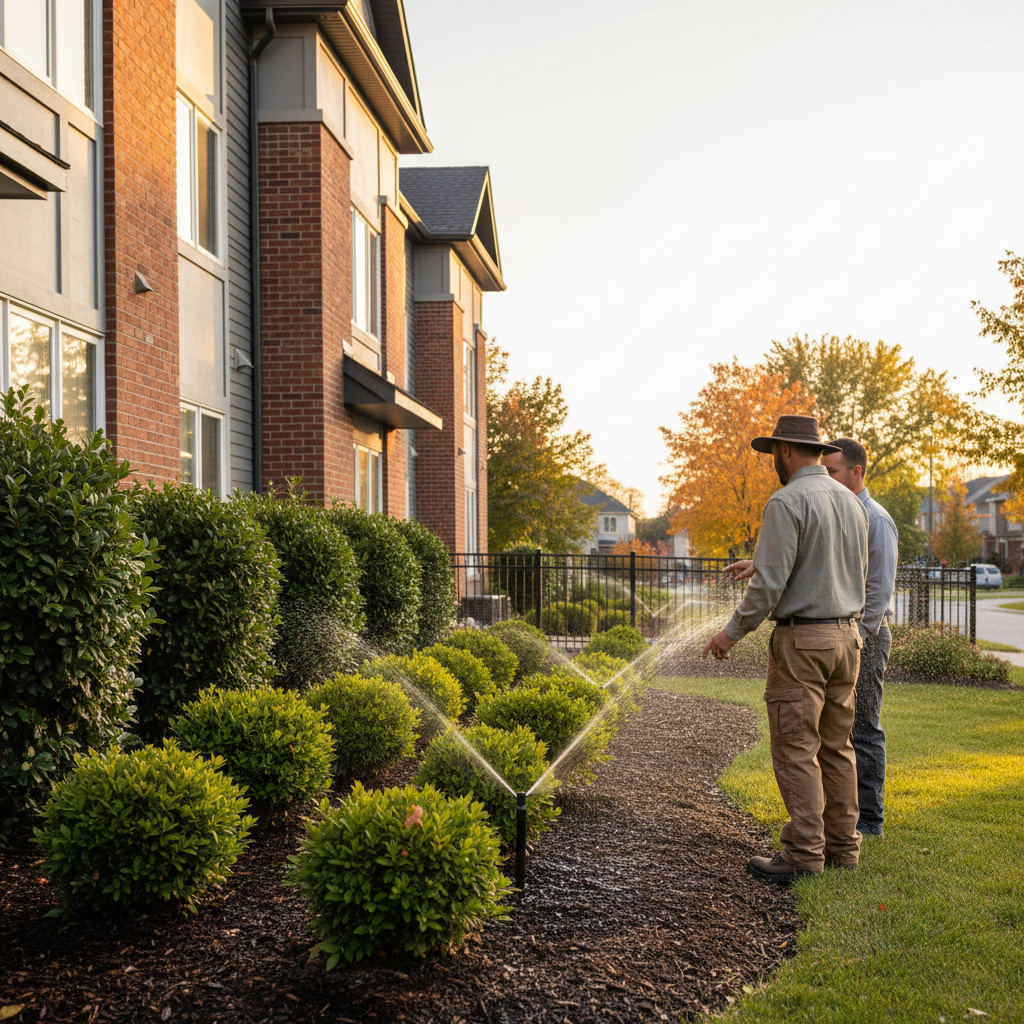
- Irrigation overspray: Tune heads to keep walkways dry; wet pavers increase slip risk during evening temps.
- Material staging: Stockpiles stay 10–15 feet from tenant entries and are coned off with visible barriers.
Communication and reporting
- Single thread: One email thread per property with weekly snapshots and month-end summaries.
- Issue tagging: Color-code items by track: M (maintenance), E (enhancement), C (capital) to speed approvals.
- SLA clarity: Define urgent (24 hours), standard (2–5 days), and planned (2–4 weeks) windows.
- Before/after proof: Require photo documentation for resets, sod repair, and wall sections.
We’ve found that managers who time-box audits and approvals reduce loop time by a week or more, especially during leasing cycles when showing conditions matter daily.
Tools, Templates, and Resources You Can Use
Standardize with checklists and brief templates. A one-page scope, a weekly visit sheet, and a 90-day enhancement tracker cut email volume by 25–40%. Link your documents to photo folders so any team member can verify work without a call.
Start with three living documents. Keep them short so crews actually use them.
- One-page property scope: entrances, amenities, irrigation zones, quiet hours, and staging areas.
- Weekly visit sheet: mow edges, bed weeds, litter sweep, pruning notes, irrigation checks, and quick-win suggestions.
- Enhancement/Capital tracker: small lifts under two weeks vs. projects that need board sign-off.
For deeper dives on coordinated scope and sequencing, see our own perspective in this landscape design-build overview and a broader GTA landscaping guide that explains seasonal planning rhythms. If lawn health is an urgent focus, this Mississauga sod installation walkthrough details proper base prep and watering windows.
Soft CTA: Want a 30-minute on-site baseline assessment? We’ll walk, photo-log, and map quick wins and capital priorities so you can plan the next 90 days with confidence.
Design-Build Services We Deliver (Real-World Examples)
HR Greenroots integrates design, build, and maintenance under one roof. That means faster scopes, durable installs, and no finger-pointing between vendors. Here are common requests from Mississauga managers and how we execute them with strong base prep and clean edge control.
Sod installation and lawn replacement
- Use case: High-visibility frontage with thin turf and weeds.
- Action: Regrade low spots, amend soil, and install premium sod; water-logging is prevented with subtle swales.
- Result: Even coverage within 10–14 days; fewer tenant complaints and better showing photos.
Interlocking & pavers resets
- Use case: Entry walkway heaved 3/4 inch near curb cut.
- Action: Lift and re-level, add base and edge restraint, apply polymeric sand.
- Result: Trip point removed, improved drainage, and cleaner lines.
Retaining walls and grading
- Use case: Hill-side amenity lawn with soil creep.
- Action: Install segmental wall with engineered base; integrate drains and backfill.
- Result: Stable slope, defined terraces, and safer mowing lanes.
Decks, fences, sheds, and driveway extensions
- Use case: Overflow parking stress and storage clutter around amenity corridors.
- Action: Widen driveway sections where allowed; add well-sited shed; upgrade deck surfaces for durability.
- Result: Smoother circulation and better tenant experience at peak hours.
Mississauga Seasonal Playbook (Timing and Cadences)
Anchor your year with two heavy cleanups, a consistent mow window, and weather-aware irrigation. In Mississauga, plan weekly cuts from late May to September, mulch by late May, bed refreshes in early September, and irrigation blowouts before the first hard frost.
Spring (April–May)
- Site cleanup, edge definitions, mulch top-up (2–3 inches), spot-sod thin turf.
- Inspect paver joints; reset any 1/2 inch or higher variance.
- Activate irrigation after consistent night temps above 41°F.
Summer (June–August)
- Weekly visits; mow lines consistent; prune for sightlines.
- Water deeply 2–3 times/week depending on rainfall; cut irrigation by 20% after storms.
- Track quick-win enhancements and schedule them inside 10–14 day windows.
Fall (September–November)
- Bed refresh and selective planting for shoulder-season color.
- Leaf cycles and final heavy cleanup by late November.
- Irrigation blowout before first hard frost; flag and cap vulnerable heads.
Winterization (amenity downtime)
- Use amenity downtime to schedule capital work like walls, deck rebuilds, and shed installation.
- Stage materials away from tenant entries; fence off work zones clearly.
- Prep early approvals so spring crews hit the ground running.
Vendor Selection and SLAs (Selection Criteria That Work)
Choose a vendor with integrated design-build-maintain capability, documented inspections, and clear 24–48 hour response targets. Favor crews that show strong base prep, clean edge control, and Ontario-suited planting plans—these reduce rework and keep properties stable for years.
Score vendors on what actually predicts performance
- Integrated services: One accountable team for design, build, and maintenance.
- Construction rigor: Evidence of base prep, grading plans, and drainage details.
- Maintenance mindset: Install choices that simplify future care, not just photos.
- Reporting: Photo logs, monthly audits, and simple SLA tiers.
- Reviews: Verified ratings and on-time delivery notes.
For program structure ideas beyond Mississauga, some regional providers publish planning guides; reading a different market’s checklist can spark ideas you adapt locally, even if the climates differ slightly. Examples include a Durham Region concept guide and an Ajax-focused idea set that outline design–maintenance interplay in practical terms. You can skim those angles here: regional design ideas, and two shorter perspectives on backyard transformations and Ajax design tips.
Documentation and Compliance (Keep It Defensible)
Protect the asset with simple, consistent records. Keep weekly snapshots, monthly audit sheets, and a hazard correction log. Pair each fix with time-stamped photos. Organized documentation shortens investigations and shows diligence if an incident is reviewed.
- Weekly proof: Date-stamped photos of mow lines, bed edges, and any temporary cones/barriers.
- Audit sheets: A 15–20 point checklist with space for three photos and two follow-ups.
- Hazard log: Trip points, overspray, or sightline issues with correction timestamps.
- Enhancement approvals: Brief email approvals maintained in a single folder per property.
Some property teams also keep a “readiness board” with the next three priorities per track. That simple visual plan keeps everyone aligned and reduces mid-week emails.
Frequently Asked Questions
Property managers ask about scheduling, scope, and how to combine weekly care with upgrades. Clear SLAs, a rolling 90-day tracker, and photo-documented audits keep your program accountable and flexible as tenant and leasing needs shift.
How do I build a yearly schedule that managers can actually follow?
Anchor two heavy cleanups (April and November), lock weekly service days in summer, and run monthly photo-audits. Keep a 90-day enhancement list so small upgrades don’t clog the weekly cadence. Share a one-page scope at move-in/renewal peaks to reduce conflicts.
What’s the difference between enhancements and capital projects?
Enhancements are smaller lifts (like spot-sod or a short fence run) done within 1–2 weeks. Capital projects are bigger rebuilds—retaining walls, grading, or large paver sections—that need staging and board approvals. Separating tracks keeps weekly crews efficient.
How fast should vendors respond to urgent issues?
Define urgent at 24 hours, standard at 2–5 days, and planned at 2–4 weeks. Post these SLA tiers in your scope and include a single email thread per property so nothing slips. Require time-stamped photos for hazard corrections.
Which services create the biggest visual lift fast?
Edges, clean mow lines, debris pulls, and a 2–3 inch mulch top-up move the needle within 7–14 days. After that, target small paver resets and spot-sod in high-visibility zones. These quick wins boost showing photos and reduce complaints.
Key Takeaways and Next Steps
Focus on three tracks—maintenance, enhancements, capital—and run them on a clear schedule. Use simple checklists, photo logs, and SLAs. Fast visual wins plus durable fixes keep properties safe, attractive, and easier to manage through Mississauga’s seasons.
- Stand up the weekly, monthly, and seasonal cadence now.
- Keep a living 90-day enhancement/capital tracker.
- Document everything with time-stamped photos and brief notes.
- Prioritize edge control, mulch, and paver trip-point corrections.
- Tap integrated design–build–maintain teams to reduce rework.
Ready to align your sites to a consistent program? Explore our Mississauga landscaping services overview and book an on-site walk-through. We’ll map quick wins and schedule heavier fixes without disrupting peak activity.
Final CTA: If your portfolio includes Mississauga assets, schedule a discovery walk at or near 100 Matheson Blvd E. Our team will build a right-sized plan that keeps curb appeal high and maintenance friction low.


